
On this page
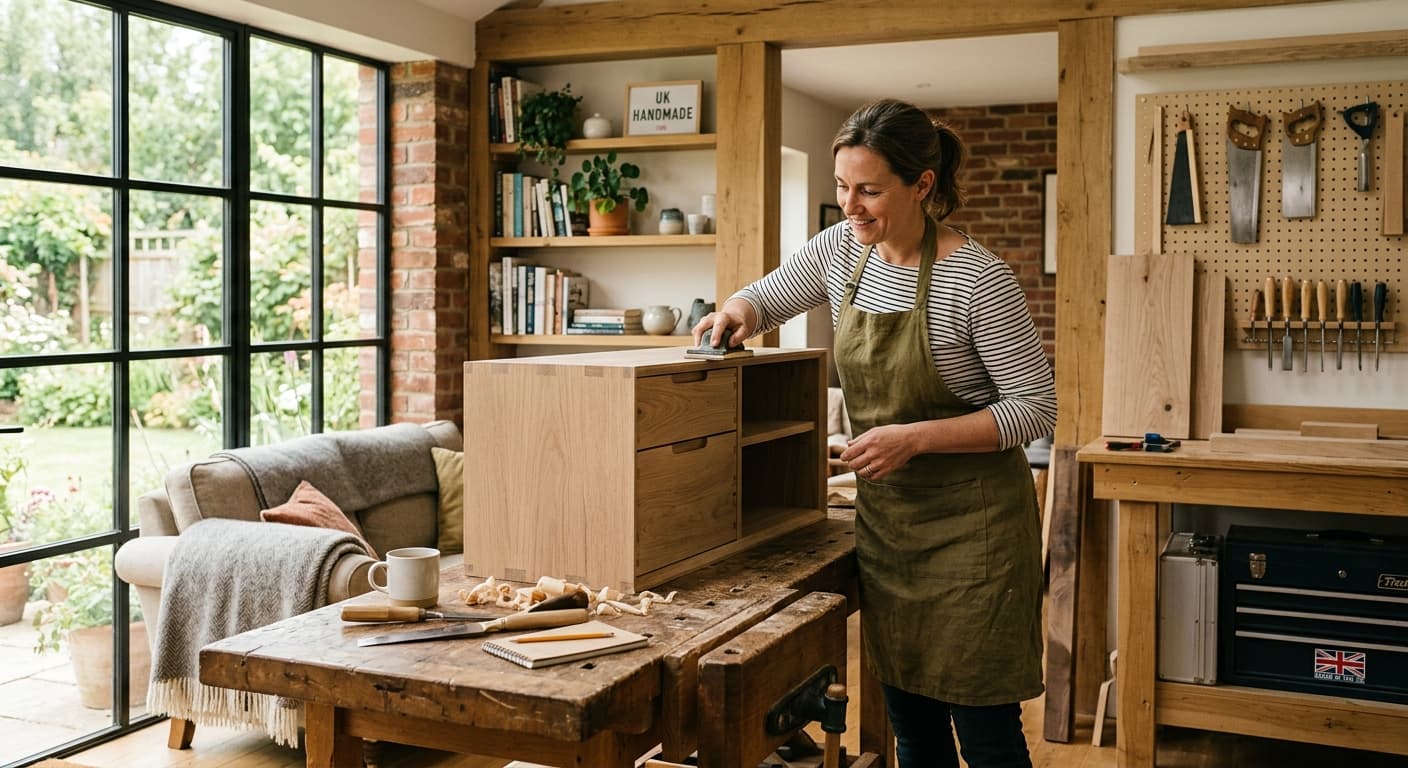
Bespoke furniture makers across the UK are reporting unprecedented order books as consumers increasingly turn away from mass-produced alternatives in favour of custom-designed pieces. According to the British Furniture Confederation's latest quarterly report, the bespoke furniture sector experienced a 43% year-on-year growth in 2024, with industry experts predicting this trend will accelerate throughout 2025.
The shift reflects growing consumer awareness of quality, sustainability, and the desire for furniture that perfectly fits both their space and personal aesthetic. We've seen this transformation firsthand through our furniture category listings, where enquiries for custom work have more than doubled since 2023.
Key Takeaways
- Bespoke furniture demand has surged 43% year-on-year, driven by sustainability concerns and quality awareness
- Custom pieces typically cost £1,500-£8,000 but offer superior longevity and exact-fit solutions for challenging spaces
- Solid wood furniture outlasts MDF alternatives by 20-30 years, making it more cost-effective long-term
- Regional pricing varies significantly: London workshops charge 25-40% premiums over northern regions
- Lead times for bespoke commissions now average 12-16 weeks due to high demand
What's Driving the Bespoke Boom?
The explosion in demand for bespoke furniture makers near me UK searches tells an interesting story. Several converging factors explain why British homeowners are willing to pay premiums for custom work.
Smaller living spaces top the list. The average new-build home in England has shrunk to just 68 square metres according to LABC Warranty data, down from 76 square metres in the 1980s. Standard furniture simply doesn't fit these compact footprints efficiently. A custom storage unit or fitted sofa can reclaim precious floor space that off-the-shelf alternatives waste.
Sustainability concerns have matured beyond greenwashing. Consumers now understand that a £3,000 solid oak dining table lasting 50 years represents better environmental value than three £400 veneer alternatives lasting 15 years each. The sustainable furniture brands UK 2025 movement has gained serious traction, with makers like Unto This Last, Kam & Co, and workshop collectives across Birmingham and Manchester seeing order books fill months in advance.
Quality fatigue plays a role too. After years of disposable flatpack furniture, homeowners have grown tired of wobbly joints, peeling veneers, and pieces that look tired within 18 months. We've noticed this shift particularly among 35-45 year-olds who are settling into long-term homes and viewing furniture as genuine investment pieces.
How Do I Tell If Furniture Is Good Quality?
Spotting quality furniture requires knowing what to examine. The British Standards Institution's BS 4875 covers furniture stability and safety, but quality extends beyond mere compliance.
Joinery methods reveal everything. Dovetail joints, mortise and tenon connections, and dowel construction indicate proper craftsmanship. Staples, excessive glue, and butt joints suggest mass production cutting corners. Pull out a drawer fully and examine the sides—quality pieces use solid wood drawer boxes with dovetails, not stapled MDF or plastic runners.
Weight tells tales. Lift a corner of that sofa or chest of drawers. Solid wood furniture possesses substantial heft. If it feels surprisingly light, you're likely handling particle board or hollow construction. A quality solid oak bedside table typically weighs 15-20kg; an MDF equivalent might weigh 6-8kg.
Finish quality matters enormously. Run your hand across surfaces and inside hidden areas. Premium furniture maintains finish quality everywhere, not just on visible faces. Check underneath tabletops and inside cabinets. Rough, unsealed wood or visible staples indicate cost-cutting.
Upholstery construction separates good from mediocre. Quality sofas use hardwood frames (beech, birch, or oak), eight-way hand-tied springs, and multiple layers of natural filling. Budget pieces rely on softwood frames, sinuous springs, and foam padding that compresses within months. The best sofa brands UK quality and value consistently mention—Duresta, Howard & Sons, George Smith—all share these construction hallmarks, though expect £4,000-£12,000 price tags.
Ask about warranties. Reputable makers stand behind their work with 5-10 year guarantees on frames and construction. Mass producers typically offer 1-2 years maximum, knowing their products won't last much longer anyway.
Is Solid Wood Furniture Worth the Extra Cost?
The solid wood furniture vs MDF comparison generates considerable debate, but the mathematics prove fairly straightforward.
Solid wood furniture typically costs 2-4 times more upfront than MDF equivalents. A solid oak wardrobe might cost £2,500 from a workshop compared to £600-£800 for a similar-sized MDF piece from high street retailers. That £1,700 premium feels steep.
Longevity calculations change the equation. Properly maintained solid wood furniture lasts 40-60 years minimum. Many Victorian and Edwardian pieces remain in daily use after 120+ years. MDF furniture, conversely, typically lasts 10-15 years before joints fail, veneers peel, or moisture damage occurs. Cheaper pieces may not survive a single house move.
Over a 50-year timeframe, you'll need 3-5 MDF wardrobes (£2,400-£4,000 total, not accounting for inflation) versus one solid wood piece (£2,500). The solid wood option costs less whilst generating less landfill waste.
Repair potential matters. Solid wood accepts repairs, refinishing, and modification. Scratches sand out. Joints can be reglued and reinforced. Finishes refresh with new oil or wax. MDF cannot be meaningfully repaired once damaged. A scratch through the veneer exposes brown fibre board permanently. Water damage causes irreversible swelling.
Resale value differs dramatically. Quality solid wood furniture retains 40-70% of original value even after decades. MDF pieces become essentially worthless once used, explaining the abundance of cheap furniture in skips and council collection points.
The exception? Fitted furniture in rental properties or temporary situations where longevity doesn't matter. For your forever home, solid wood wins decisively.
What Are the Best Furniture Shops in the UK?
The "best" furniture shop depends entirely on your priorities, budget, and timeline.
For bespoke commissions, regional workshops consistently outperform nationals on both price and personalisation. Our directory includes numerous excellent bespoke furniture makers across the UK. Expect £1,500-£4,000 for a custom bookcase, £3,000-£8,000 for wardrobes, and £2,500-£7,000 for dining tables depending on size, wood species, and complexity. London workshops typically charge 25-40% premiums over equivalent makers in Yorkshire, the Midlands, or Wales.
Lead times currently run 12-16 weeks for most bespoke work, extending to 20-24 weeks for complex commissions or during peak periods (autumn through Christmas). Book early.
For ready-made quality, John Lewis maintains reliable standards across their furniture range, particularly their Croft and Design Project collections. Their Partnership guarantee and delivery service justify modest premiums over pure price competitors. Expect £800-£2,500 for sofas, £600-£1,800 for dining tables.
Specialist retailers like The Cotswold Company, Neptune, and Loaf offer distinctive styles with better construction than high street alternatives, though prices reflect this (£1,200-£4,000 for sofas, £800-£2,200 for storage pieces).
Budget conscious? IKEA's solid wood ranges (not their particle board offerings) provide reasonable value. The Hemnes, Lisabo, and Ivar collections use actual pine or bamboo construction at accessible prices (£200-£800 for most pieces). Quality doesn't match proper joinery, but longevity exceeds their MDF alternatives significantly.
Avoid furniture sold primarily through online marketplaces by unknown brands. We've investigated numerous consumer complaints about pieces arriving damaged, constructed from materials far cheaper than descriptions suggested, or proving impossible to return. Stick with established retailers or makers willing to show you their workshop.
Finding the Right Maker for Small Spaces
Furniture for small living rooms requires particular expertise. Standard proportions overwhelm compact British homes, especially new builds and converted flats.
Bespoke makers excel here because they're designing for your exact measurements. A 170cm sofa might fit your sitting room perfectly whilst the 180cm and 160cm standard options create either cramped walkways or wasted wall space. Custom storage can exploit awkward alcoves, under-stair voids, and chimney breast recesses that standard units cannot accommodate.
When commissioning furniture for small spaces, share accurate floor plans including radiator positions, socket locations, and door swing arcs. Photographs help, but measurements matter more. Most makers will visit for initial consultations (often free within reasonable travel distance, £50-£150 for longer journeys).
Discuss multi-function pieces. Storage ottomans, extending dining tables, and wall beds transform how small spaces function. A skilled maker can integrate features impossible in mass production: hidden compartments, fold-down work surfaces, or modular sections that reconfigure as needs change.
Proportions matter enormously in compact rooms. Slimmer arm sofas, wall-mounted floating units, and furniture on legs (allowing light beneath) prevent spaces feeling cramped. Experienced makers understand these principles instinctively.
Colour and finish affect perceived space too. Lighter woods and painted finishes reflect more light than dark timber, making rooms feel larger. Discuss these considerations during design consultations.
Sustainability Credentials That Actually Matter
Sustainable furniture brands UK 2025 claims require scrutiny. Genuine sustainability involves more than marketing buzzwords.
Timber sourcing tells the real story. FSC (Forest Stewardship Council) or PEFC (Programme for the Endorsement of Forest Certification) certification guarantees responsible forestry. British hardwoods—oak, ash, cherry, walnut—often prove more sustainable than imported exotics despite sometimes higher costs (£80-£150 per board foot for British timber versus £60-£200 for imports depending on species). Transport emissions favour local.
Finishes matter. Natural oils (Osmo, Treatex, Danish oil) and water-based lacquers create less environmental impact than solvent-based polyurethanes. They're also healthier for your home's air quality. Ask makers specifically what finishing products they use.
Construction methods affect longevity, the ultimate sustainability metric. Traditional joinery creates furniture lasting generations. Knockdown fittings and composite materials create decade-long lifespans at best.
Local workshops reduce transport emissions whilst supporting regional economies. A maker operating 15 miles away generates fraction the carbon footprint of furniture shipped from Eastern Europe or Asia, even before considering the typically superior construction quality.
Check if makers offer repair services. Sustainability means maintaining and refreshing furniture rather than replacing it. Workshops standing behind their work for decades demonstrate genuine commitment versus greenwashing.
You can browse all categories on our directory to find verified sustainable furniture makers, or specifically search makers who've highlighted environmental credentials in their profiles.
Price Expectations Across the UK
Regional pricing variations for bespoke furniture makers near me UK searches reveal significant differences.
London and Southeast workshops charge premiums reflecting property costs, higher wages, and affluent client bases. A custom dining table seating six might cost £4,500-£7,000 in Kensington versus £2,800-£4,500 from an equally skilled maker in Nottingham or Newcastle.
The Southwest (Cornwall, Devon, Somerset) maintains moderate pricing despite popularity with relocating craftspeople. Competition keeps rates reasonable whilst quality remains high. Expect £3,200-£5,500 for that same dining table.
The Midlands and Northern regions offer excellent value without compromising quality. Yorkshire, Lancashire, and the East Midlands particularly host numerous skilled workshops charging £2,500-£4,200 for equivalent commissions. Workshop overheads prove substantially lower than London, savings passed to clients.
Scotland and Wales pricing varies by accessibility. Workshops near cities (Edinburgh, Glasgow, Cardiff) charge moderately (£3,000-£5,000 for typical commissions). Rural workshops sometimes discount slightly to attract work (£2,400-£4,500) but factor potential travel charges for initial consultations and delivery.
Remember that materials costs remain fairly consistent nationally. The oak, walnut, or cherry timber costs similar whether your maker operates in Surrey or Shropshire. Labour and overhead differences drive regional pricing variations.
Delivery and installation add £150-£600 depending on distance and piece complexity. London congestion charges, parking difficulties, and narrow access increase costs in urban areas.
For those seeking makers, you can search our company directory filtered by location and speciality to compare regional options.
Making Your Commission Successful
Successful bespoke furniture commissions require clear communication and realistic expectations.
Budget honestly from the start. Makers cannot design effectively without knowing financial parameters. Provide a clear figure including contingency (add 15-20% for unexpected requirements or design improvements identified during planning).
Collect inspiration images but understand they're starting points, not exact templates. Pinterest boards and magazine clippings help makers grasp your aesthetic preferences, but your piece should suit your space, not replicate someone else's.
Be specific about function. How many people dine at that table regularly? What needs storing in that cabinet? Do you require cable management for electronics? Functional requirements shape design fundamentally.
Understand the making process. Solid wood furniture cannot be rushed. Timber requires acclimatisation to your home's humidity (typically 2-3 weeks). Complex joinery demands time. Finishing processes need multiple coats with drying periods between. Twelve week lead times reflect craft realities, not inefficiency.
Deposits typically run 30-50% with balance due on completion. This protects both parties. Some makers structure payments in thirds: deposit, midpoint, and completion. Ensure terms are documented clearly.
Visit workshops when possible. Seeing works in progress and completed pieces builds confidence whilst allowing discussion of details difficult to convey remotely. Most makers welcome visits by appointment.
If you're a furniture maker yourself and want more clients to find you, consider taking a moment to list your business in our directory.
The Quality Investment Mindset
The British furniture industry stands at an interesting crossroads. Mass production and disposable culture dominated for decades, but consumers increasingly recognise false economy.
Quality furniture costs more initially but less ultimately. A £4,000 solid oak sideboard serving your family for 50 years costs £80 annually. A £600 veneer equivalent lasting 12 years costs £50 annually—until you need the second and third replacements, totalling £150-£200 annually over comparable timeframes.
Beyond mathematics, properly made furniture brings daily satisfaction that disposable pieces cannot. Opening drawers that glide smoothly, running your hand across flawless timber surfaces, and knowing your furniture will serve your grandchildren creates value impossible to quantify.
The current boom in bespoke furniture makers demonstrates Britons rediscovering these truths. The 43% growth figure from the British Furniture Confederation isn't merely a market fluctuation—it represents fundamental reassessment of how we furnish our homes.
As living spaces shrink and environmental awareness grows, the case for bespoke, sustainably made, long-lasting furniture only strengthens. The makers seeing full order books today are those who never compromised on quality during the disposable decades.
For homeowners, this means greater choice among skilled craftspeople whilst also requiring more discernment. Genuine makers compete with imports marketed as "handmade" or "artisan" that merely replicate mass production at inflated prices.
Trust your instincts. Visit workshops. Ask difficult questions about materials, joinery, and construction. Makers confident in their craft welcome scrutiny. Those relying on marketing rather than skill deflect specific questions.
The investment in quality furniture ultimately proves modest considering the decades of service provided. The real question isn't whether you can afford bespoke furniture—it's whether you can afford the alternative.
Browse furniture businesses on HouseJester to find verified makers, read reviews, and compare services across the UK.
Sources & Further Reading
This article was created with AI assistance and reviewed by the HouseJester editorial team for accuracy and relevance.
Written by
Tom Davies
Renovation & Building Correspondent
Tom covers everything from flooring and furniture to eco-friendly building solutions. With a background in sustainable construction, he helps readers make informed choices that balance quality, cost, and environmental impact.
- Flooring
- Furniture
- Storage Solutions
- Eco & Sustainable