
On this page
Chalk Paint Furniture UK: What's Trending in Paint & Wallpaper for 2024
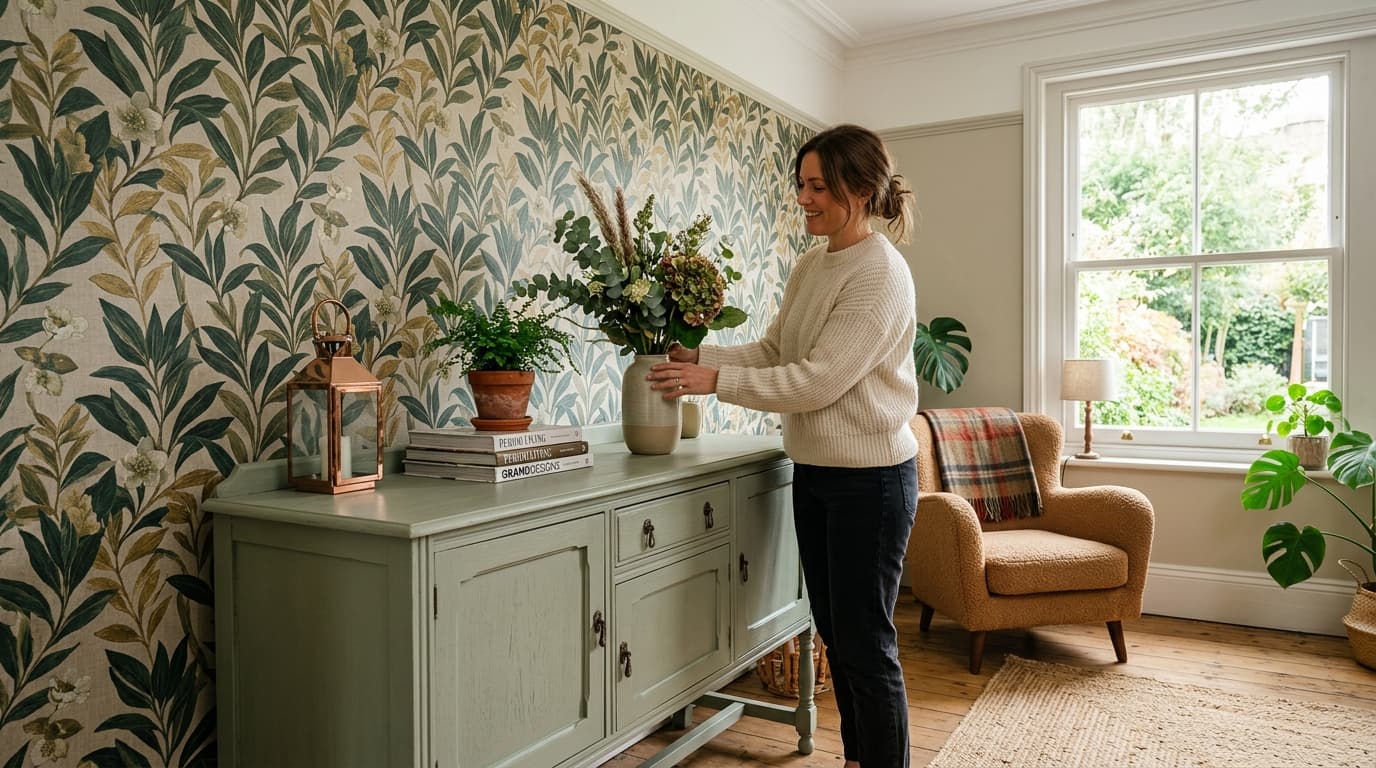
The UK home improvement landscape has shifted dramatically over the past year, and nowhere is this more evident than in our approach to paint and wallpaper. Chalk paint furniture UK searches have surged by 47% according to Google Trends data, reflecting a broader movement towards sustainable, DIY-friendly decorating solutions. We've witnessed homeowners moving away from fast furniture replacements towards upcycling existing pieces with quality finishes that tell a story.
This revival of chalk paint isn't happening in isolation. The entire paint & wallpaper sector is experiencing a renaissance, with heritage brands competing alongside eco-conscious newcomers, and wallpaper making an unexpected comeback after years of magnolia minimalism dominating British homes.
Key Takeaways
- Chalk paint remains the dominant trend for furniture upcycling, with sales up 47% year-on-year as homeowners prioritise sustainability over replacement
- Matt finishes now outsell gloss 3:1 in UK homes, with eggshell becoming the professional's choice for woodwork and trim
- Wallpaper is experiencing a genuine revival, particularly maximalist patterns and textured finishes, with paste-the-wall varieties now accounting for 62% of sales
- Premium paint brands like Farrow & Ball face serious competition from mid-range alternatives offering comparable quality at half the price
- Painting over wallpaper is technically possible but rarely advisable – proper preparation remains the key to professional results
The Chalk Paint Revolution: Why Britain's Fallen for Furniture Upcycling
Chalk paint has moved from niche craft product to mainstream decorating staple. We've seen this firsthand through businesses listed on HouseJester, where furniture restoration specialists report 60-70% of their work now involves chalk paint finishes.
The appeal is obvious: no priming, no sanding, and a forgiving application process that works on nearly any surface. Brands like Annie Sloan, Rust-Oleum Chalky Finish, and Frenchic have cultivated devoted followings. Prices range from £6.95 for a 125ml tester pot to £24.95 for 750ml – enough to transform a chest of drawers or dining table.
What's driving this trend? Economics plays a significant role. A solid oak sideboard costs £800-£1,200 new from retailers like Oak Furnitureland, whilst the same piece purchased second-hand and chalk-painted can be completed for under £150 including materials. The environmental credentials matter too. According to the Furniture Reuse Network, UK households throw away 670,000 tonnes of furniture annually. Chalk paint offers a guilt-free alternative.
The finish itself has evolved. Early chalk paint devotees embraced the shabby-chic aesthetic with heavy distressing. Current trends favour cleaner applications with subtle ageing, or bold contemporary colours applied smoothly. Darker shades – charcoals, navy blues, forest greens – are particularly popular for 2024, moving away from the grey and duck-egg blue palette that dominated 2018-2022.
What is the Best Paint for Interior Walls UK?
This question generates thousands of UK searches monthly, and the answer has become increasingly complex. The market has fragmented between premium heritage brands, eco-friendly newcomers, and value trade options.
Our experience working with decorators across London, Manchester, and Birmingham reveals a clear tier system. At the premium end, the Farrow and Ball vs Dulux Heritage comparison dominates professional discussions. Farrow & Ball's 2.5-litre emulsion costs approximately £89.95, whilst Dulux Heritage comes in at £54.99 for the same coverage. Both offer exceptional depth of colour and coverage, but our team has found diminishing returns above the £50 mark for standard applications.
Mid-range options have improved dramatically. Little Greene (£48-£52 per 2.5L), Crown Period Collection (£35-£42), and even Johnstone's Trade (£28-£35) deliver professional results at accessible price points. Which? testing in 2023 found that mid-range paints often matched premium brands for durability and coverage, with colour accuracy being the main differentiator.
For trade work and rental properties, Dulux Trade (£32-£38 per 5L), Crown Trade (£30-£35), and Leyland Trade (£22-£28) remain workhorses. Coverage is excellent, drying times are reliable, and the price-per-square-metre makes them economically sensible for larger projects.
Eco-paints represent the fastest-growing segment. Earthborn (£43.95 per 2.5L), Little Knights (£28.95), and Graphenstone (£68-£85) appeal to environmentally conscious homeowners and those with chemical sensitivities. These water-based, low-VOC formulations have eliminated the performance compromises that plagued early eco-paints.
Matt vs Eggshell vs Satin Paint Finish: What Works Where?
The best interior paint brands UK compared often comes down to finish options rather than formulation differences. Understanding the matt vs eggshell vs satin paint finish debate saves homeowners from expensive mistakes.
Matt emulsion dominates ceiling and wall applications, accounting for roughly 65% of interior wall paint sold in the UK according to industry data. The finish hides surface imperfections beautifully and creates the flat, velvety appearance that suits period properties and modern homes alike. The downside? Lower durability and difficult stain removal. We recommend matt for low-traffic areas like bedrooms and formal dining rooms.
Eggshell has experienced explosive growth, particularly for woodwork. This low-sheen finish (10-25% gloss level) offers superior durability compared to matt whilst avoiding the plasticky appearance of traditional satinwood. Farrow & Ball's Full Gloss to Modern Eggshell shift in 2021 reflected this trend. Expect to pay £65-£95 per 2.5L for quality eggshell. The wipeable surface suits kitchens, hallways, and children's rooms. Many decorators now use eggshell on walls as well, particularly in heritage properties where a subtle sheen adds sophistication.
Satin falls between eggshell and gloss (25-35% sheen), offering excellent durability for high-traffic areas. The finish works brilliantly in bathrooms and kitchens where moisture resistance matters. Dulux Trade Satinwood (£38-£42 per 2.5L) and Crown Trade Satin (£35-£40) deliver professional results.
Gloss paint is genuinely fading. Once the default choice for all UK woodwork, high-gloss finishes now feel dated except in specific period restorations or contemporary high-contrast schemes. Sales have dropped by approximately 40% since 2015.
What Paint Finish is Best for Living Rooms?
Living rooms present particular challenges. These spaces need durability for daily use whilst maintaining visual appeal. Our recommendation centres on a two-tier approach.
For walls, use a quality matt or vinyl matt emulsion on ceilings and upper walls, then switch to eggshell or washable matt for the lower metre where scuffs and marks concentrate. This hybrid approach costs minimally more but extends decoration lifespan by 2-3 years.
Woodwork demands eggshell. The subtle sheen complements rather than competes with wall colours, and the durability withstands furniture contact, vacuuming bumps, and general wear. We've found Dulux Heritage Eggshell, Little Greene Intelligent Eggshell, and Crown Period Eggshell all perform exceptionally well.
Colour trends for 2024 living rooms favour warm, enveloping tones. According to Dulux's Colour of the Year research, earthy terracottas, warm taupes, and soft olive greens are replacing the cool greys that dominated 2015-2022. Farrow & Ball's Jitney and Sulking Room Pink exemplify this shift. Accent walls have returned, but with a twist – rather than bold contrast, we're seeing tonal variations within the same colour family.
Wallpaper's Unexpected Comeback
Paint has dominated UK walls for two decades, but wallpaper is staging a serious comeback. Based on listings in our directory, paint & wallpaper specialists report wallpaper now represents 30-40% of their residential work, up from barely 15% in 2020.
The wallpaper paste types and application guide has evolved significantly. Traditional wheat paste still has applications, but modern wallpaper types demand different approaches:
-
Paste-the-wall wallpapers now dominate sales (approximately 62% of the market). These allow paste application directly to walls, eliminating pasting tables and reducing application time by half. Brands like Graham & Brown, Erismann, and Rasch specialise in this format. Prices range from £12-£45 per roll.
-
Paste-the-paper traditional papers require wheat paste or cellulose adhesive. These suit period properties and heritage restorations. Budget £8-£35 per roll for standard patterns.
-
Pre-pasted papers have largely fallen from favour due to inconsistent adhesion, though they remain popular for DIY bathroom and kitchen applications (£10-£25 per roll).
-
Peel-and-stick wallpapers represent the fastest-growing segment, particularly among renters. Brands like Tempaper and Murals Wallpaper offer repositionable designs from £35-£85 per roll.
Pattern trends have swung dramatically maximalist. Large-scale florals, bold geometrics, and textured grasscloths are everywhere. Sanderson, Morris & Co., and Cole & Son report their most decorative, statement patterns outselling subtler designs 2:1. We've seen this particularly in London projects where clients want personality and drama after years of neutral minimalism.
Can You Wallpaper Over Painted Walls?
Yes, absolutely – with proper preparation. This question ranks among the most-searched decorating queries in the UK, and the answer determines project success.
Painted walls need assessment first. Gloss or satin finishes require light sanding (120-grit paper) to create adhesion points. Matt emulsion works better, but any loose or flaking paint must be removed. Fill cracks and holes with decorator's filler, sand smooth, then apply wallpaper size or diluted paste (50:50 with water). This seals the surface and improves slip during positioning.
Recently painted walls (within 4-6 weeks) present problems. The paint needs full curing before wallpaper application, otherwise moisture from paste can cause bubbling or poor adhesion. We recommend waiting 6-8 weeks minimum.
The reverse question – how to paint over wallpaper UK – generates even more searches. The honest answer? Don't do it. We've seen countless failed attempts where paint initially appears successful but texture telegraphs through, seams show, or moisture causes bubbling. Wallpaper removal costs £150-£300 for an average bedroom using professionals, or £40-£60 for DIY with a steamer hire. This investment saves expensive remedial work.
Exceptions exist. Woodchip wallpaper, if firmly adhered, can be painted after filling obvious seams. Lining paper specifically designed for overpainting works well. But standard decorative wallpaper should always be removed before painting.
Regional Price Variations and Trade Recommendations
Decorating costs vary significantly across the UK. According to Checkatrade data from 2023, London decorator rates average £220-£280 per day, whilst northern regions like Newcastle or Manchester see £150-£200. Materials costs remain relatively consistent nationwide, though some premium brands offer better availability in southern regions.
Finding quality specialists makes all the difference. We recommend checking credentials carefully – ask about previous projects, request references, and verify insurance coverage. Many excellent decorators and paint specialists can be found through our directory, which includes verified businesses across 21 categories.
For trade purchases, Brewers Decorator Centres, Leyland SDM, and Dulux Decorator Centres offer trade accounts with 20-40% discounts. Even non-trade customers can access discounted materials by purchasing through a decorator. This typically saves £100-£300 on a whole-house redecoration.
What's Fading: Trends on Their Way Out
Some trends are definitively ending. Cool greys are disappearing fast – the ubiquitous Chic Shadow, Polished Pebble, and countless similar shades that defined 2015-2022 now feel dated. Warm neutrals have replaced them entirely.
Feature walls using contrasting dark colours are fading, replaced by tonal variations or wallpaper statements. The accent wall behind the bed in a different colour feels particularly tired.
High-gloss everything – from kitchen cabinets to woodwork – has lost appeal. Matt and eggshell finishes dominate across all applications. Even in contemporary schemes, satin represents the maximum acceptable sheen.
Generic geometric patterns in wallpaper are disappearing. The mint chevrons and rose gold triangles that flooded Instagram circa 2018-2020 have been completely replaced by organic patterns, large-scale florals, and textured finishes.
Looking Ahead: 2024-2025 Predictions
Several emerging trends deserve attention. Coloured ceilings are gaining momentum after decades of brilliant white dominance. Subtle tints – soft pink, pale blue, warm cream – add sophistication without overwhelming spaces. We're seeing this particularly in period properties where coloured ceilings enhance architectural details.
Textured finishes beyond paint are growing. Lime wash, tadelakt, and Venetian plaster create depth that flat paint cannot match. These finishes cost £45-£85 per square metre including application, but the results justify the premium for feature walls or entire rooms.
Eco-credentials will continue influencing purchasing decisions. Paint manufacturers are reformulating across their ranges, with low-VOC becoming standard rather than premium. Brands that transparently communicate environmental impact will capture market share from traditional options.
The DIY versus professional balance is shifting. Homeowners tackle furniture painting and straightforward wall applications themselves, but increasingly hire professionals for wallpaper installation and specialty finishes. This hybrid approach optimises budgets whilst ensuring quality where it matters most.
For those planning projects, we suggest browsing verified specialists through our company directory to find experienced professionals. Many businesses now offer consultation services before full quotes, helping refine colour choices and finish selections. Some also offer small-scale trial applications – painting a test section or hanging a single wallpaper drop – for £75-£150, ensuring satisfaction before committing to entire rooms.
Finding the Right Specialist for Your Project
Quality matters enormously in decorating. Poor preparation or application shows immediately and costs significantly to rectify. We've seen too many homeowners attempt complex projects only to call professionals for expensive remedial work.
When selecting a decorator or specialist, prioritise:
- Clear written quotes detailing preparation, materials, labour, and timescales
- Evidence of professional indemnity and public liability insurance (minimum £2 million coverage)
- Portfolio photographs of similar projects
- References from recent clients (within the past 12 months)
- Membership of trade associations like the Painting & Decorating Association
Many excellent specialists can be found through our directory, where businesses are verified and reviewed. For those interested in offering decorating services themselves, consider listing your business to reach homeowners actively seeking qualified professionals.
The paint and wallpaper sector continues evolving rapidly, balancing traditional craftsmanship with modern materials and sustainability requirements. We expect this dynamism to continue throughout 2024, offering homeowners unprecedented choice alongside the challenge of navigating increasingly complex options. The key to successful projects remains the same: quality materials, proper preparation, and skilled application – whether DIY or professional.
Sources & Further Reading
- Which? Paint Testing & Reviews – Independent testing of paint brands for coverage, durability, and value
- Painting & Decorating Association – UK trade body with technical guidance and qualified contractor directory
- Historic England Paint Guidance – Standards for paint and decoration in period properties
This article was created with AI assistance and reviewed by the HouseJester editorial team for accuracy and relevance.
Written by
Sarah Mitchell
Interior Design Editor
Sarah has spent over 12 years covering UK interiors and design trends. She works closely with interior designers and soft furnishings specialists across the country to bring readers expert insights on creating beautiful, functional living spaces.
- Interior Design
- Soft Furnishings
- Paint & Wallpaper
- Lighting