
On this page
The Evolution of UK Garden & Outdoor Spaces in 2024
The UK garden and outdoor sector is experiencing a remarkable transformation in 2024, driven by changing lifestyles, sustainability concerns, and a continued desire to maximise outdoor living spaces. Following the garden boom of recent years, homeowners are now investing more strategically in their outdoor areas, focusing on year-round usability, low-maintenance solutions, and eco-friendly materials. Whether you're planning a complete garden overhaul or simply updating your outdoor furniture, understanding current trends can help you create a space that's both stylish and functional.
The average UK household now spends between £1,500 and £8,000 annually on garden improvements, with London and the South East typically seeing prices 20-30% higher than other regions. This investment reflects a fundamental shift in how we view our gardens – not just as summer retreats, but as extensions of our living space that deserve year-round attention.
What's Dominating UK Gardens Right Now?
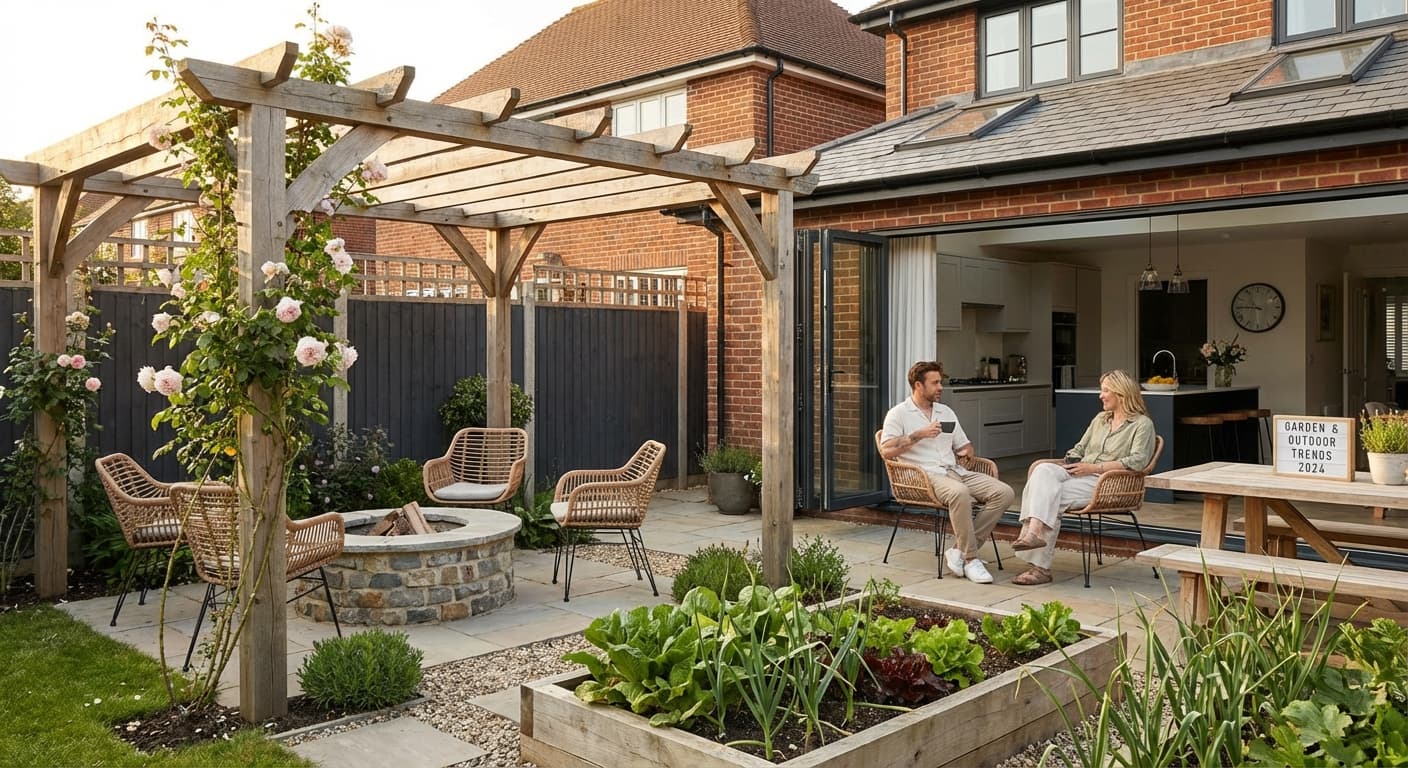
Outdoor rooms have become the defining trend of 2024, with homeowners creating fully equipped outdoor living spaces complete with weatherproof furniture, heating, and lighting. These aren't simply patios with a few chairs; they're carefully designed zones with pergolas, outdoor kitchens, and comfortable seating areas that rival indoor lounges.
The trend towards natural, sustainable materials continues to strengthen. Composite decking now outsells traditional timber in many areas, with prices ranging from £80 to £150 per square metre installed. Brands like Millboard and Trex dominate the UK market, offering products that require minimal maintenance whilst providing a realistic wood appearance. These materials align with Building Regulations requirements and offer 25-year guarantees, making them attractive long-term investments.
Cottage garden planting is experiencing a significant revival, particularly among younger homeowners. Prairie-style planting schemes featuring ornamental grasses, perennials, and wildflowers are replacing formal bedding displays. This approach reduces maintenance, supports pollinators, and creates naturalistic gardens that look attractive across multiple seasons. Expect to spend £500–£2,000 for professional planting design and installation of a medium-sized border.
Which Garden Features Are Emerging?
Outdoor heating and weatherproofing technologies are transforming how UK homeowners use their gardens. Wall-mounted infrared heaters (£200–£800 each) and built-in fire pits (£1,500–£5,000 installed) extend the usable season considerably. Glass rooms and contemporary pergolas with retractable roofing systems are seeing massive growth, typically costing £8,000–£25,000 depending on size and specification.
Smart irrigation systems are becoming standard in mid-to-high-end garden installations. These systems use weather sensors and smartphone apps to optimise watering schedules, reducing water consumption by up to 50%. Installation costs range from £800 for basic systems to £3,000+ for comprehensive setups covering larger gardens. With increasingly unpredictable British weather patterns and water conservation concerns, these systems offer both environmental and practical benefits.
Outdoor kitchens have evolved beyond simple barbecue setups. Built-in pizza ovens (£800–£3,000), weatherproof cabinetry, and outdoor refrigeration are becoming commonplace in new builds and renovation projects. The outdoor kitchen market has grown by 45% since 2022, with complete installations ranging from £5,000 for modest setups to £20,000+ for luxury configurations.
Biophilic design principles are influencing outdoor spaces, with homeowners incorporating living walls (£150–£400 per square metre), green roofs on outbuildings, and abundant planting to create connections with nature. This trend aligns with growing awareness of mental health benefits associated with garden spaces.
What Outdoor Furniture Styles Are Trending?
Modular outdoor furniture leads current preferences, allowing homeowners to reconfigure their outdoor spaces for different occasions. Rattan-effect sets remain popular but are being challenged by sleeker aluminium and powder-coated steel designs. Expect to pay £800–£2,500 for quality modular sofa sets that will last multiple seasons.
Sustainable and recycled materials are increasingly important to UK consumers. Furniture made from recycled plastics, FSC-certified timber, and responsibly sourced materials commands premium prices but sells strongly. Brands like Garden Trading and Cox & Cox are responding with eco-conscious collections.
The colour palette has shifted noticeably:
- Charcoal and anthracite grey remain dominant neutrals
- Warm terracotta and rust tones are emerging strongly
- Sage green and olive are replacing brighter greens
- Natural wood tones in lighter oak and ash shades
- Muted blues and coastal colours for seaside locations
Luxury outdoor textiles have improved dramatically, with UV-resistant, waterproof fabrics that genuinely withstand British weather. Outdoor cushions and throws are no longer afterthoughts but essential design elements, with homeowners spending £200–£600 on coordinated outdoor soft furnishings.
What's Fading From UK Gardens?
Artificial grass, once seen as a low-maintenance solution, is declining in popularity as environmental concerns mount. Studies showing its contribution to microplastic pollution and impact on urban drainage have led many local authorities to discourage its use. The trend is shifting back towards natural lawns, meadow planting, or permeable hard landscaping.
Overly formal designs with rigid geometric layouts and extensive hard landscaping are giving way to softer, more naturalistic approaches. The desire for wildlife-friendly gardens is driving this change, with homeowners prioritising planting over paving.
Imported tropical plants that struggle in UK conditions are falling from favour. Gardeners are choosing hardy perennials and native species that thrive without excessive intervention, reflecting both sustainability concerns and desire for lower-maintenance gardens.
Purely decorative lighting is being replaced by functional, well-designed outdoor lighting systems that enhance security whilst creating atmosphere. Solar options continue improving, though mains-powered LED systems (£800–£3,000 installed) offer superior performance and reliability.
What Should UK Homeowners Consider for 2024-2025?
If you're planning garden improvements, focus on investments that extend usability and reduce long-term maintenance. Quality outdoor rooms, sustainable decking, and integrated planting schemes offer the best return on investment. Consider your local climate – what works in sheltered southern gardens may need modification for exposed northern locations.
Building Regulations apply to substantial garden structures, particularly those exceeding 2.4 metres in height or covering significant ground area. Always check planning requirements before major projects, especially in conservation areas.
Pricing varies considerably by region and specification. Obtain at least three quotes for significant work, ensuring contractors are properly insured and experienced with outdoor installations. Many garden projects cross multiple trades – landscaping, electrical work for lighting, and gas installation for outdoor heating – so coordinated project management is essential.
Browse Garden & Outdoor businesses on HouseJester to connect with verified suppliers and contractors who can help bring your outdoor vision to life. From contemporary furniture specialists to experienced landscapers, you'll find trusted professionals ready to transform your garden into a year-round sanctuary that reflects current trends whilst meeting your specific needs.
This article was created with AI assistance and reviewed by the HouseJester editorial team for accuracy and relevance.
Written by
HouseJester Editorial
Editorial Team
The HouseJester editorial team brings together specialists in furniture, interior design, and home improvement to provide trusted guidance for UK homeowners.