
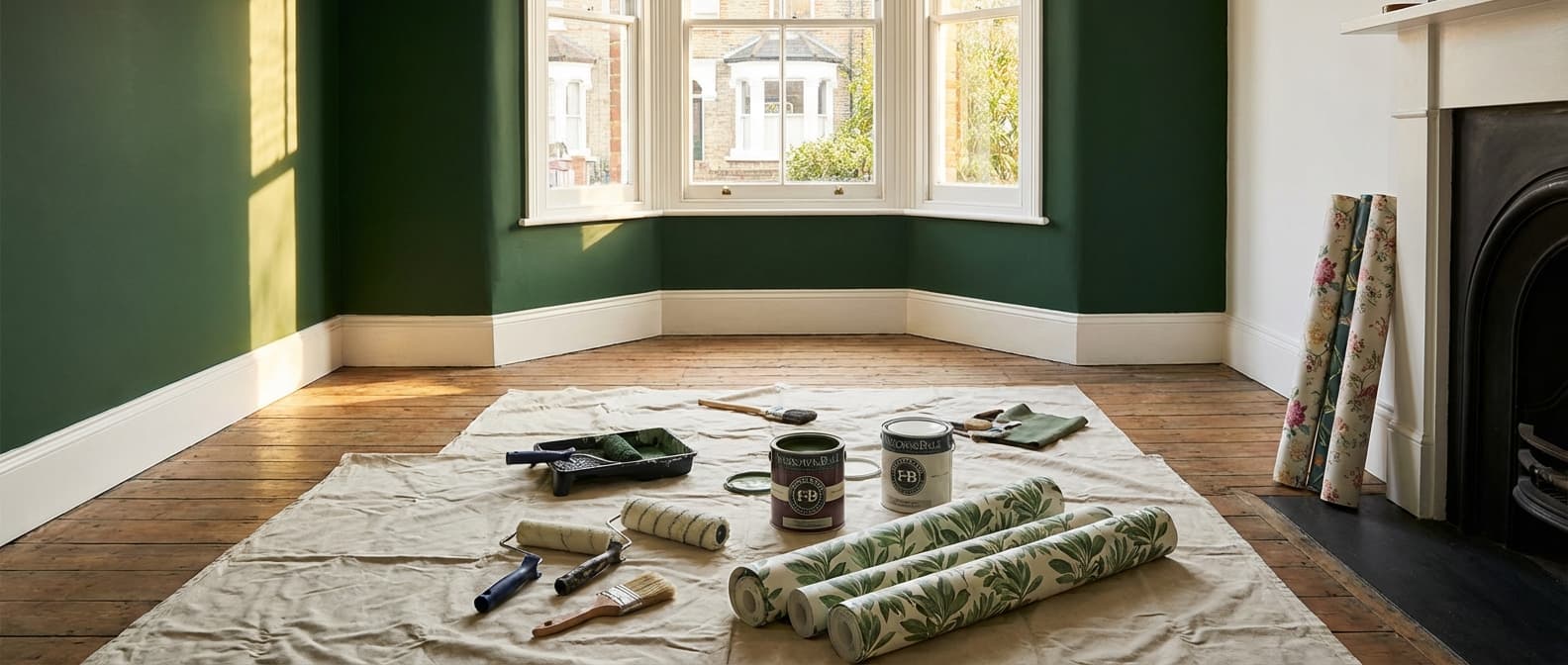
Paint and wallpaper define the character of a room more immediately than any other design element. A fresh coat of paint is the most cost-effective way to transform a space, while wallpaper adds pattern, texture, and personality that paint alone cannot achieve. Choosing the right products — and the right company to supply and apply them — makes the difference between a finish you love and one that disappoints.
The UK paint market has experienced a remarkable premium shift in recent years. Heritage brands and independent paint companies have educated homeowners about the difference quality paint makes — in terms of pigment depth, finish quality, coverage, and durability. Similarly, wallpaper has enjoyed a renaissance, with bold patterns, textured finishes, and mural-style designs becoming central features of contemporary interiors.
Professional paint and wallpaper suppliers offer far more than products off the shelf. Specialist paint shops provide expert colour consultancy, large-format colour samples, tester pots, and advice on the right finish for each surface and room. Wallpaper specialists guide customers through the enormous range of papers available — from paste-the-wall vinyls to traditional paste-the-paper designs, grasscloths, and hand-printed artisan papers.
HouseJester's directory features verified paint and wallpaper suppliers across the UK, from independent paint shops and heritage brands to wallpaper specialists and professional decorating companies. Browse, compare, and find the right supplier for your decorating project.
With indoor air quality now a key concern under the 2026 Future Homes Standard, the shift towards low-VOC and zero-VOC paints has accelerated. Most premium UK paint brands now offer extremely low VOC formulations that are virtually odourless and safe for use in bedrooms and children's rooms — a significant improvement over the solvent-heavy paints of previous generations.
Browse paint and wallpaper suppliers on HouseJester
How Much Do Paint and Wallpaper Cost in the UK?
| Product | Budget | Mid-range | Premium |
|---|---|---|---|
| Emulsion paint (per litre) | £5 – £12 | £12 – £30 | £30 – £60+ |
| Eggshell/satin paint (per litre) | £8 – £15 | £15 – £35 | £35 – £70+ |
| Wallpaper (per roll, 10m) | £10 – £25 | £25 – £60 | £60 – £200+ |
| Designer wallpaper (per roll) | — | £60 – £120 | £120 – £500+ |
| Professional painter (per day) | £150 – £200 | £200 – £300 | £300 – £450+ |
| Professional wallpaper hanging (per roll) | £15 – £25 | £25 – £40 | £40 – £60+ |
A typical living room repaint (walls and woodwork) costs £300-£600 for materials, or £800-£1,500 including professional labour.
What to Look For When Choosing a Paint and Wallpaper Supplier
- Colour expertise — Look for suppliers that offer colour consultancy services and large-format samples.
- Paint quality — Premium paints offer better coverage (fewer coats), richer pigmentation, superior durability, and lower VOC levels.
- Finish range — A good supplier offers a full range: matt, eggshell, satin, gloss, and specialist finishes (chalk, limewash, distemper).
- Wallpaper knowledge — Staff should understand the differences between paper types and advise on suitability for different rooms.
- Sample service — Large painted samples or peel-and-stick sample sheets are essential for colour decisions.
- Quantity calculation — Staff should help calculate how much paint or wallpaper you need, preventing waste.
- Trade recommendations — Many suppliers can recommend professional painters and decorators in your area.
- Environmental credentials — Ask about VOC levels, eco-friendly formulations, and sustainable packaging.
- Mixing service — Bespoke colour mixing allows you to match any colour precisely.
- Reviews — Read reviews on HouseJester, particularly regarding colour accuracy and product quality.
Frequently Asked Questions
What is the difference between cheap and premium paint?
Premium paints contain higher concentrations of quality pigments and resins. This means better coverage (often one-coat coverage vs two or three for budget paints), truer colours that do not fade, a more consistent finish, greater durability (scuff and stain resistance), and lower VOC levels. A litre of premium paint covers more surface area per coat, so the cost-per-square-metre difference is smaller than the price-per-litre suggests. For high-impact areas like living rooms and hallways, premium paint is worth the investment. For ceilings and low-visibility areas, mid-range paint performs adequately.
How do I choose the right paint colour?
Always test colours in your room using large painted samples (A4 minimum, ideally A3) placed on the walls you intend to paint. Observe the samples at different times of day — north-facing rooms need warmer tones (yellows, warm greys) as they receive cool light, while south-facing rooms can handle cooler shades (blues, greens). Consider the room's fixed elements — flooring, sofa, curtains — and choose a paint colour that complements them. Start with a base colour you are drawn to and explore variations within that family. Most premium brands offer excellent online tools and in-store colour consultancy.
What paint finish should I use in each room?
Matt emulsion is the most popular finish for walls and ceilings — it hides imperfections and creates a soft, contemporary look. However, matt is less wipeable and marks more easily. Eggshell (low sheen) is increasingly popular for walls in kitchens, hallways, and children's rooms as it offers better durability and is easier to clean. Satin or eggshell is standard for woodwork (skirting boards, door frames, window frames) and offers a subtle sheen that is wipeable. Gloss is declining in popularity but remains an option for woodwork. Specialist kitchen and bathroom paints contain anti-mould additives and moisture-resistant properties.
How many rolls of wallpaper do I need?
A standard UK wallpaper roll is 10.05m long and 52cm wide. For a room with a ceiling height of 2.4m, you get approximately 4 drops (lengths) per roll. Measure the total perimeter of the room, subtract the width of windows and doors, divide by 52cm, then divide by 4 to get the number of rolls needed. Add 10% for waste and pattern matching (large pattern repeats may need 15-20% extra). Most wallpaper calculators are available online. A typical UK living room (4m x 5m) requires 8-10 rolls for four walls, or 4-5 rolls for a feature wall.
Is paste-the-wall wallpaper easier to hang than traditional paper?
Paste-the-wall (non-woven) wallpaper is significantly easier to hang than traditional paste-the-paper designs. You apply paste directly to the wall, then position the dry paper — there is no need for a pasting table, no soaking time, and the paper is easier to slide into position. It is also easier to remove when you want to redecorate — dry-strippable, peeling off in full sheets. For DIY wallpapering, paste-the-wall is strongly recommended. Traditional paste-the-paper designs require more skill but include some of the most beautiful heritage and designer patterns. For complex patterns and expensive papers, hiring a professional paperhanger is always advisable.
This article was created with AI assistance and reviewed by the HouseJester editorial team for accuracy and relevance.