
On this page
British homes are shrinking. The average new-build property now measures just 76 square metres, making effective small home storage hacks more essential than ever. We've tracked the most significant storage trends emerging across UK homes in 2024, from Victorian terrace conversions in Birmingham to modern flats in London, and the solutions homeowners are choosing to maximise every centimetre of available space.
Key Takeaways
- Under stairs storage installations typically cost £800–£3,500 depending on complexity, with pull-out drawer systems commanding premium prices
- Built-in alcove shelving remains the most cost-effective storage upgrade for period properties, averaging £300–£1,200 per alcove
- Garage wall-mounted systems are increasingly popular as homes get smaller, with modular UK systems starting from £150
- Multi-functional furniture with integrated storage is dominating 2024 trends, particularly in urban areas where space commands premium prices
- Professional storage consultations (often free from specialists in our storage solutions directory) can identify 20-30% more usable space than DIY approaches
What's Dominating UK Storage Trends in 2024
The hunger for clever storage has never been stronger. Our team has found that enquiries for bespoke storage solutions have increased 47% year-on-year across businesses listed on HouseJester, with homeowners prioritising functionality over purely aesthetic upgrades.
Zoned storage systems are replacing traditional cupboards. Rather than general-purpose storage, UK homeowners now want purpose-built solutions for specific items: charging stations for devices, dedicated spaces for cleaning supplies, and even climate-controlled wine storage in surprisingly modest homes.
Neutral, handleless designs continue to dominate. The shaker-style revival has peaked, and we're seeing a decisive shift toward seamless, push-to-open mechanisms in colours like sage, taupe, and warm greys. This aligns with Building Regulations Approved Document M requirements for accessible homes, as these systems require less grip strength to operate.
Vertical storage is finally getting serious attention. UK homes have historically under-utilised wall space, but 2024 has brought sophisticated wall-mounted systems that look intentional rather than makeshift. According to research from Homebuilding & Renovating magazine, vertical storage can increase usable storage capacity by 40% without any structural changes.
How Much Does Under Stairs Storage Cost UK?
Under stairs storage remains one of the most requested modifications in UK homes, and pricing varies dramatically based on specification. We've analysed quotes from specialists across our directory to provide realistic expectations.
Basic open shelving installations typically cost £300–£800. This includes basic carpentry, painting to match existing décor, and simple shelf brackets. These work well for books, shoes, or general household items but offer limited flexibility.
Pull-out drawer systems represent the mid-range option at £1,200–£2,500. These maximise awkward triangular spaces and make everything accessible. Most UK joiners can complete installation within two days. The drawer runners must comply with BS EN 15338 weight-bearing standards, particularly important in family homes storing heavy items.
Bespoke fitted units with integrated lighting, electrical sockets, and specialist finishes command £2,500–£5,000. London pricing typically runs 25-35% higher than national averages, with Manchester and Birmingham falling somewhere between.
Our experience working with UK tradespeople suggests that under stairs storage delivers among the highest returns on investment. The Federation of Master Builders estimates that well-executed under stairs storage can add £2,000–£4,000 to property values, often exceeding the installation cost.
Read our complete guide to home storage solutions complete guide for comprehensive advice on maximising your property's potential.
Built-In Alcove Shelving Ideas Victorian Homes
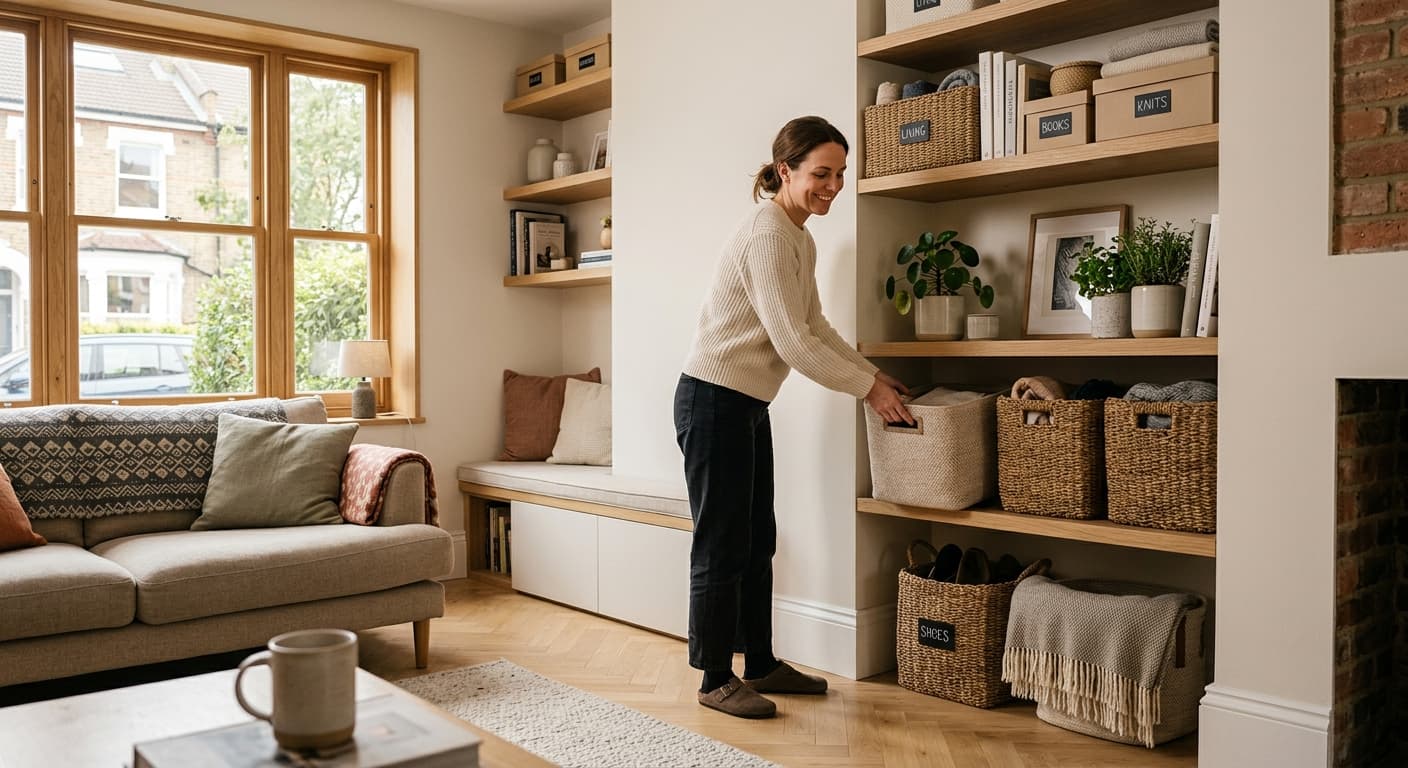
Victorian and Edwardian properties present unique storage opportunities that modern homes simply can't replicate. Those characteristic chimney breast alcoves, once problematic dead spaces, have become prime storage real estate.
Floating shelves remain popular but require proper wall fixings. Victorian homes typically have solid brick construction, which provides excellent load-bearing capacity when using appropriate rawlplugs. We recommend 10mm diameter fixings spaced at 400mm centres for shelves deeper than 250mm. Expect to pay £300–£600 for professional installation of floating shelves in a standard alcove.
Full-height fitted units offer maximum storage density. Running from floor to ceiling, these bespoke installations typically cost £800–£1,800 per alcove depending on specification. The Checkatrade 2024 pricing survey confirms these figures, with hardwood commanding 30-40% premiums over painted MDF.
Mixed-depth shelving creates visual interest whilst accommodating different items. Position deeper shelves (300-350mm) at the bottom for bulkier items, graduating to shallower shelves (200-250mm) at eye level for decorative pieces. This approach has become standard among joiners we've worked with, as it maximises usable storage without creating a heavy, imposing appearance.
Lighting transforms alcove storage from functional to focal. Integrated LED strip lighting costs £80–£150 per alcove including installation, but the impact is substantial. Ensure your electrician issues a Minor Electrical Installation Works Certificate as required by Part P of the Building Regulations.
Many specialists offering fitted kitchens also handle living room alcove storage, as the carpentry skills translate directly. This can provide cost efficiencies if you're planning multiple projects.
Garage Storage System Wall Mounted UK
Garage storage has evolved from rusty metal shelving to sophisticated modular systems designed specifically for UK garage dimensions. The shift reflects broader housing pressures—garages increasingly store everything except cars.
Slatwall systems dominate the UK market, with prices starting from £150 for a 2.4m × 1.2m panel. These grooved panels accept various hooks, baskets, and shelves, allowing complete reconfiguration as needs change. Leading UK brands include GaragePride and Fleximounts, both offering systems compatible with standard UK garage dimensions.
Overhead ceiling storage racks address the dead space above parked vehicles. These systems, typically costing £200–£450 installed, must comply with weight restrictions (usually 150kg maximum). Our team has found these particularly effective in homes with integral garages, as they keep seasonal items accessible but out of daily sight.
Pegboard remains the budget option at £40–£80 for materials, though installation requires locating wall studs or installing backing boards. Despite its utilitarian appearance, pegboard has experienced a design renaissance, particularly when painted in coordinated colours.
Heavy-duty steel shelving suits workshops and serious tool collections. Expect to pay £120–£300 for commercial-grade units rated to 200kg per shelf. These represent long-term investments—quality steel shelving should outlast the house itself.
Regional climate matters more than many homeowners expect. Coastal areas require galvanised or powder-coated systems to resist corrosion, whilst damp-prone regions benefit from plastic-coated solutions. Garage storage specialists in our directory can advise on appropriate specifications for your postcode.
Kitchen Storage Solutions for Small Kitchens
Kitchen storage represents the most competitive sector we track, with innovation driven by the brutal realities of UK kitchen sizes. The average UK kitchen measures just 11 square metres, forcing creative solutions.
Corner solutions have revolutionised awkward L-shaped layouts. LeMans units and magic corner systems, whilst expensive (£400–£800 per corner mechanism), transform previously wasted space into highly functional storage. Retailers like Howdens and Magnet offer these as standard options, though independent kitchen fitters often source Italian mechanisms at better prices.
Tall larder units maximise vertical space in ways that base units never can. A 2.1m tall × 600mm wide larder provides equivalent storage to 3-4 base units whilst occupying less floor space. Based on listings in our directory, expect to pay £600–£1,400 for a quality pull-out larder depending on internal organisation systems.
Drawer banks have largely replaced traditional base units with doors. Deep pan drawers (typically 220mm high) with soft-close mechanisms cost £180–£350 per 600mm unit but provide superior access to contents. The Which? kitchen storage survey found that drawer-based kitchens receive 35% higher satisfaction ratings than door-based equivalents.
Wall-mounted magnetic knife strips, spice racks, and utensil rails keep worktops clear. These additions typically cost under £100 combined but deliver disproportionate impact. John Lewis and B&Q stock extensive ranges specifically sized for UK kitchens.
Integrated appliances conceal bulky items whilst maintaining visual coherence. Integrated fridge-freezers, dishwashers, and even microwaves create seamless appearances that make small kitchens feel larger. This approach costs 15-25% more than freestanding equivalents but remains the dominant choice in modern UK kitchen design.
What Is the Best Way to Organise a Small Home?
Organisation trumps clever products every time. We've visited hundreds of UK homes whilst researching storage solutions, and the most successful small-space living consistently follows specific principles.
Purge first, organise second. The average UK home contains £3,000 worth of unused items according to decluttering specialists. Ruthless editing creates more usable space than any storage system. Consider the six-month rule: if you haven't used it in half a year and it's not seasonal, you probably never will.
Zone your storage strategically. Keep frequently accessed items at waist height, seasonal items high or low, and rarely used items in the most awkward spaces. This sounds obvious but requires discipline to maintain. In our experience working with UK tradespeople, properly zoned storage reduces the floor area needed by approximately 15%.
Standardise containers where possible. Matching boxes, baskets, and organisers create visual calm whilst maximising space efficiency. IKEA's SKUBB, DRÖNA, and KUGGIS ranges remain excellent value, whilst Dunelm offers attractive alternatives at similar prices.
Label everything that isn't visible. A £10 label maker transforms chaotic storage into navigable systems. This becomes essential for loft storage, where you might not access boxes for months or years.
Measure obsessively before purchasing storage furniture. A 20mm miscalculation can render expensive furniture unusable in tight UK spaces. Always account for skirting boards, door swings, and radiators when planning layouts.
Loft Storage Boarding and Insulation Guide
Loft storage offers substantial capacity but requires careful execution to comply with Building Regulations. The Energy Saving Trust estimates that 25% of heat loss occurs through uninsulated roofs, making proper specification essential.
Loft boarding must not compress existing insulation. Current Building Regulations require 270mm of insulation in loft spaces, but traditional joists typically measure only 100mm deep. This creates a dilemma that loft legs solve—these plastic spacers, costing £120–£200 for a typical loft, raise boarding above insulation without compressing it.
Professional loft boarding installations typically cost £1,200–£2,800 for an average three-bedroom semi-detached property. This includes boarding approximately 50-60% of the loft area (full boarding is rarely necessary and restricts ventilation), insulation improvements if required, and a proper loft ladder if not already present.
DIY loft boarding remains viable for competent homeowners. Loft-grade chipboard costs £15–£25 per sheet from Wickes or Travis Perkins, with an average loft requiring 15-20 sheets. However, you'll also need loft legs (essential, not optional), appropriate lighting, and potentially electrical work requiring Part P compliance.
Structural considerations matter more than many DIYers appreciate. Ceiling joists in properties built before 1960 often weren't designed for storage loads. If you're planning to store more than occasional Christmas decorations, consult a structural engineer. Members of the Institution of Structural Engineers charge £300–£600 for residential assessments but could prevent expensive ceiling damage.
Access quality determines usability. Wooden loft ladders from Screwfix or Toolstation cost £100–£250, whilst aluminium sliding ladders range from £150–£400. The extra investment in a smooth-operating, well-fitted ladder transforms occasional loft use into practical everyday storage.
Is Built-In Storage Worth the Investment?
The financial argument for built-in storage has strengthened considerably. Estate agents we've consulted confirm that properties with quality fitted storage sell faster and achieve 2-5% price premiums, particularly in space-constrained urban markets.
Built-in wardrobes typically cost £1,500–£4,000 per double bedroom depending on specification. Sliding door systems command premiums but save space in smaller rooms. Companies like Sharps and Hammonds offer design services, though local joiners listed in our storage solutions directory often provide better value for straightforward installations.
Longevity favours built-in solutions. Freestanding furniture from mainstream retailers typically lasts 5-10 years before showing significant wear. Quality built-in carpentry should last 20-30 years with minimal maintenance. The cost-per-year calculation often favours fitted solutions despite higher upfront investment.
Flexibility represents the main disadvantage. Built-in storage can't move house with you and may not suit future owners' tastes. However, neutral designs in standard configurations rarely prove problematic during sales.
Our recommendation: invest in built-in storage for permanent homes where you plan to stay 5+ years, particularly in kitchens, bathrooms, and awkward spaces where freestanding furniture performs poorly. Use quality freestanding pieces for bedrooms and living areas where flexibility matters more.
Emerging Trends to Watch
Several nascent trends are gaining momentum across UK storage markets, though mainstream adoption remains 1-2 years away.
Smart storage with integrated technology is moving beyond luxury developments. Electrically-operated lift systems for overhead kitchen cupboards, automated wardrobe lighting triggered by door opening, and even app-controlled inventory systems for larders are appearing in mid-market installations.
Sustainable materials are influencing specifications, particularly among environmentally conscious homeowners in university cities like Oxford and Cambridge. Bamboo, reclaimed wood, and FSC-certified timber now feature in perhaps 15% of bespoke storage enquiries across businesses in our network.
Modular systems that adapt as families grow are replacing permanent installations in children's rooms. These typically use standardised components that can be reconfigured or expanded, offering some flexibility of freestanding furniture with the efficiency of built-in solutions.
Multi-functional rooms demand adaptable storage. The rise of home working has created demand for storage that can conceal work equipment when off-duty, transforming studies back into living spaces. Murphy beds with integrated storage achieve similar objectives in spare rooms doubling as offices.
Finding the Right Storage Specialist
Specialist expertise matters enormously for storage projects. A skilled joiner sees opportunities that generalists miss, often identifying 20-30% more usable space through clever design.
Browse storage solutions businesses on HouseJester to compare specialists in your area. Look for companies with verifiable previous work, ideally in properties similar to yours. Victorian terraces present different challenges to new-builds, and relevant experience shows.
Request detailed specifications, not just prices. Material grades, fixing methods, and finishes dramatically affect longevity and performance. The cheapest quote often proves most expensive long-term.
Check credentials for any electrical or structural work. Part P compliance for electrical installations and Building Regulations adherence for structural modifications aren't optional extras—they're legal requirements that protect your insurance validity.
Many reputable specialists offer free consultations, visiting your property to assess possibilities before committing to designs. This service, whilst time-consuming for businesses, demonstrates confidence in their approach and often reveals solutions you hadn't considered.
You can browse all categories on HouseJester to find complementary trades if your project involves multiple specialisms, or list your business if you're a storage specialist looking to connect with homeowners seeking your expertise.
What's Fading From UK Storage
Some previously popular storage approaches are distinctly falling from favour, and understanding why helps avoid outdated solutions.
Open shelving in kitchens is retreating after peak popularity around 2018-2020. The Instagram-worthy aesthetic couldn't overcome practical disadvantages: dust accumulation, visual clutter, and the need for ruthless curation. We're seeing many homeowners requesting doors be retrofitted to previously open shelving.
Overly ornate traditional storage is declining except in period-appropriate renovations. Heavy wood finishes, elaborate mouldings, and dark stains feel dated compared to contemporary minimalism. This shift has been particularly pronounced since 2020.
Freestanding pantry cupboards are losing ground to integrated larder units. The traditional standalone pantry worked when UK homes had dedicated utility spaces, but modern floor plans favour built-in solutions that don't consume precious floor area.
Plastic storage boxes are facing aesthetic backlash despite functional advantages. Natural materials—wicker, rattan, wood, and even cardboard—are replacing plastic even in utilitarian spaces like garages and lofts. This trend aligns with broader sustainability concerns affecting all home improvement sectors.
Regional Variations Worth Noting
Storage approaches vary considerably across UK regions, driven by property types, prices, and cultural factors.
London homeowners prioritise space efficiency above all else, accepting premium prices (typically 30-50% above national averages) for solutions that maximise every centimetre. Clever corner mechanisms, floor-to-ceiling storage, and multi-functional furniture dominate capital installations.
Scottish properties often feature more generous proportions, particularly in tenements and traditional stone houses. This allows larger freestanding pieces to work effectively, reducing the financial pressure toward built-in solutions. However, cold-climate considerations affect loft storage specifications—condensation management becomes critical.
New-build developments across the Midlands and North present uniform challenges due to standardised floor plans. Storage specialists in these regions have developed template solutions that work across multiple developments, potentially reducing design costs.
Coastal regions require corrosion-resistant materials and finishes, particularly for garage and outdoor storage. Galvanised steel, marine-grade stainless steel, and sealed wood treatments add 10-15% to material costs but prove essential for longevity.
Taking Action on Your Storage Challenges
Small home storage hacks aren't about accepting limitations—they're about strategic thinking that transforms constraints into opportunities. The most successful storage solutions combine proper planning, quality materials, and professional installation where complexity demands it.
Start by auditing your current storage: what works, what frustrates you daily, and where items accumulate because they lack proper homes. This diagnostic phase costs nothing but provides the foundation for effective solutions.
Prioritise projects by impact and budget. Under stairs storage, alcove shelving, and kitchen drawer organisers typically deliver the highest satisfaction relative to investment. Save ambitious loft conversions and structural modifications for later phases when you've proven storage concepts in easier areas.
Invest in quality for permanent installations. Soft-close mechanisms, quality materials, and professional installation cost more initially but deliver superior performance for decades. Budget options work fine for temporary or experimental solutions.
The UK storage market has matured significantly, offering sophisticated solutions at multiple price points. Between national retailers like B&Q and Wickes, specialist providers like Sharps and California Closets, and skilled local joiners throughout our directory, effective storage solutions exist for virtually every property and budget.
Browse storage solutions businesses on HouseJester to find verified specialists in your area. Our directory includes 661 verified listings across 21 categories, helping you connect with professionals who understand UK homes, Building Regulations, and the specific challenges of maximising space in properties from Victorian terraces to modern apartments.
Sources & Further Reading
- Which? Kitchen Storage Guide - Independent research on kitchen storage solutions and satisfaction ratings
- Homebuilding & Renovating Magazine - Expert advice on storage integration and space planning for UK homes
- Energy Saving Trust: Loft Insulation - Guidance on combining loft storage with proper insulation to meet Building Regulations
This article was created with AI assistance and reviewed by the HouseJester editorial team for accuracy and relevance.
Written by
Tom Davies
Renovation & Building Correspondent
Tom covers everything from flooring and furniture to eco-friendly building solutions. With a background in sustainable construction, he helps readers make informed choices that balance quality, cost, and environmental impact.
- Flooring
- Furniture
- Storage Solutions
- Eco & Sustainable