
On this page
Markdown
The cost of transforming your home with upholstery fabrics UK and soft furnishings ranges dramatically from £20 per metre for basic cottons to £200+ for designer linens and velvets. Understanding these price points, alongside curtain, blind, and cushion costs, helps you budget effectively for a complete room refresh. This guide breaks down exactly what you'll pay across the UK market, from Birmingham workshops to London's premium suppliers.
Key Takeaways
- Upholstery fabrics range from £15-£200+ per metre depending on fibre content, durability rating, and brand
- Made to measure curtains cost £150-£600 per window compared to £30-£150 for ready-made alternatives
- Thermal curtain fabrics can reduce heating bills by up to 25%, with wool and heavyweight cotton offering best insulation
- Regional pricing varies significantly: expect 20-35% premiums in London compared to northern cities
- Professional fitting adds £50-£150 per window but ensures proper hanging and thermal performance
Understanding Upholstery Fabric Pricing
The upholstery fabric market spans an enormous price spectrum. We've seen basic polyester blends at B&Q for £15-£25 per metre, whilst luxury suppliers like Designers Guild charge £80-£200 per metre for their signature prints.
Your total project cost depends on several factors:
Fibre content drives the baseline price. Natural fibres command premiums: 100% linen starts around £40 per metre, wool from £50, whilst cotton typically ranges £20-£60 per metre. Synthetic options like polyester and acrylic begin at £15 per metre but lack the longevity of natural alternatives.
Pattern complexity affects manufacturing costs. Plain weaves cost 30-40% less than jacquards or embroidered designs. Digital prints sit mid-range at £30-£70 per metre, whilst hand-blocked patterns reach £100+ per metre.
Brand positioning matters significantly. High street retailers (John Lewis, Dunelm) offer mid-range fabrics at £25-£60 per metre. Trade-only suppliers stock professional-grade materials at £40-£120 per metre. Designer collections easily exceed £150 per metre.
Rub test ratings (Martindale scores) indicate durability. Domestic upholstery requires minimum 15,000 rubs, whilst heavy-use furniture needs 30,000+. Higher durability ratings typically add £10-£30 per metre to costs.
Upholstery Fabric Durability Ratings Explained
The Martindale abrasion test measures how many rubs fabric withstands before showing wear. This standardised measurement helps predict real-world performance:
| Martindale Rating | Durability Level | Cost Range (per metre) | Best Use Case |
|---|---|---|---|
| 10,000-15,000 rubs | Light domestic | £15-£35 | Occasional chairs, cushions |
| 15,000-25,000 rubs | General domestic | £25-£60 | Sofas, dining chairs |
| 25,000-40,000 rubs | Heavy domestic | £40-£90 | Family sofas, high-traffic seating |
| 40,000+ rubs | Contract grade | £60-£150+ | Commercial use, rental properties |
We recommend checking manufacturers' specifications before purchasing. Many UK suppliers now display Martindale ratings prominently, making comparisons straightforward.
How Much Do Made to Measure Curtains Cost?
Made to measure curtains deliver superior fit and fabric choice compared to ready-made options. Expect these typical price ranges for standard UK window sizes (approximately 150cm wide × 180cm drop):
Budget tier: £150-£250 per window using entry-level fabrics with standard pencil pleat heading. Suppliers include local curtain makers and online services like Curtains2Go.
Mid-range: £250-£400 per window with quality cotton or linen blends, pinch pleat or eyelet headings, and thermal lining. John Lewis and independent soft furnishing specialists typically occupy this segment.
Premium tier: £400-£800+ per window featuring designer fabrics, interlined construction, hand-sewn headings, and specialist trims. Expect these prices from high-end interior design studios, particularly in Manchester and London's affluent postcodes.
Larger windows increase costs proportionally. Bay windows requiring 4-5 metres of tracking cost £600-£1,500 for mid-range made to measure curtains.
Made to Measure Curtains vs Ready Made Cost
The choice between bespoke and ready-made significantly impacts your budget:
Ready-made curtains from Dunelm, Next, or M&S cost £30-£150 per pair for standard drops. Limited size options mean awkward fits for non-standard windows. Fabric selection remains restricted to mass-market designs.
Made to measure costs 3-5 times more initially but delivers precise dimensions, unlimited fabric choice, and professional finishing. For period properties with unusual window sizes, bespoke remains the only practical option.
Our team has found the break-even point sits around the 10-year mark. Quality made to measure curtains last 15-20 years with proper care, whilst ready-made alternatives typically require replacement after 5-7 years. Factor in the superior insulation performance of properly fitted, lined curtains, and the lifetime cost difference narrows considerably.
What Curtain Fabric Is Best for Insulation?
Thermal performance varies dramatically across curtain materials. The Energy Saving Trust estimates well-fitted insulated curtains reduce heat loss through windows by 15-25%, translating to £50-£150 annual savings on heating bills.
Best Curtain Fabrics for Insulation UK
Wool leads thermal performance charts. Dense weave wool curtains (500-600g per square metre) provide excellent insulation whilst remaining breathable. Expect £60-£120 per metre for quality wool curtain fabric.
Heavyweight cotton offers strong insulation at mid-range prices (£35-£70 per metre). Look for fabrics weighing 400g+ per square metre. Cotton velvet (£40-£90 per metre) performs particularly well due to its dense pile structure.
Thermal-backed fabrics incorporate reflective layers or foam backing, reducing heat loss by reflecting warmth back into rooms. These specialist materials cost £30-£60 per metre but compromise on drape quality.
Linen blends provide moderate insulation. Pure linen's loose weave offers limited thermal performance unless interlined, despite its premium price point (£50-£100 per metre).
Multiple retailers across Birmingham and beyond now stock British-made thermal curtain fabrics meeting Building Regulations Part L requirements for energy efficiency.
How to Choose Curtain Lining Types
Lining significantly enhances thermal performance and fabric longevity:
Standard cotton lining (£8-£15 per metre) protects main fabric from UV degradation and adds modest insulation. Suitable for rooms not requiring maximum thermal efficiency.
Thermal lining (£12-£20 per metre) features acrylic foam backing or aluminium coating. Reduces heat loss by 40-50% compared to unlined curtains. Essential for north-facing windows and draughty period properties.
Blackout lining (£10-£18 per metre) blocks light completely whilst providing good thermal performance. Ideal for bedrooms and media rooms.
Interlining (£15-£25 per metre) sits between face fabric and lining, creating luxurious fullness and superior insulation. Professional installation required. Adds substantial cost but transforms curtain performance.
We've observed growing interest in detachable thermal linings, allowing seasonal adjustment. These systems cost £180-£350 per window but offer flexibility for UK's variable climate.
Should Curtains Touch the Floor?
This frequently debated question has both aesthetic and practical dimensions. Modern interior design practice favours curtains that break slightly on the floor, creating elegant pooling.
Hovering finish (10-15mm above floor) suits kitchens and bathrooms where floor contact risks moisture absorption. Practical for high-traffic areas requiring frequent cleaning.
Kissing finish (just touching floor) works well for formal reception rooms. Maintains clean lines whilst maximising thermal efficiency by sealing gaps between curtain hem and floor.
Breaking finish (20-50mm extra length) creates luxurious drape and superior draught exclusion. Costs an additional 5-10% in fabric but delivers best thermal performance. Requires regular adjustment to maintain appearance.
Puddle finish (100mm+ extra length) achieves dramatic effect in period properties but accumulates dust and complicates cleaning. Rarely recommended for practical UK homes.
For optimal energy efficiency, curtains should extend beyond window frames by 150-200mm each side and sit flush with the floor. This configuration minimises air circulation behind curtains, reducing heat loss.
Roman Blind vs Roller Blind Comparison
Blinds offer space-saving window dressing alternatives, particularly for smaller rooms and contemporary interiors. Pricing structures differ significantly from curtains:
| Blind Type | Cost Range (per window) | Insulation Performance | Best Use Case |
|---|---|---|---|
| Roller blind (ready-made) | £15-£80 | Poor (single layer) | Bathrooms, modern kitchens |
| Roller blind (made to measure) | £80-£250 | Moderate with thermal backing | Offices, contemporary spaces |
| Roman blind (ready-made) | £40-£150 | Good (multiple fabric layers) | Bedrooms, living rooms |
| Roman blind (made to measure) | £150-£450 | Excellent when interlined | Period properties, formal rooms |
| Vertical blind | £60-£200 | Poor | Patio doors, commercial spaces |
Roman blinds create softer, more traditional aesthetics through their folded fabric construction. Made to measure Romans cost £150-£450 per window, using 2-3 times more fabric than roller equivalents. This layered construction provides superior insulation, particularly when lined and interlined.
Roller blinds suit minimalist interiors and moisture-prone areas. Made to measure versions range £80-£250 per window. Thermal-backed rollers (additional £20-£40) improve insulation but never match Roman blinds' performance.
Our directory features numerous soft furnishings specialists offering both options. We recommend consulting professionals for accurate quotations based on your specific window dimensions.
Regional Price Variations Across the UK
Postcode significantly impacts soft furnishing costs. London pricing typically runs 25-35% higher than northern cities, reflecting elevated business overheads and premium market positioning.
London and South East: Made to measure curtains £300-£800 per window, upholstery fabrics £40-£200 per metre, professional fitting £80-£150 per window.
Manchester, Birmingham, Leeds: Made to measure curtains £200-£600 per window, upholstery fabrics £30-£150 per metre, fitting £50-£100 per window.
Scotland, Wales, Northern England: Made to measure curtains £180-£500 per window, upholstery fabrics £25-£120 per metre, fitting £40-£80 per window.
Material costs remain relatively consistent nationwide when ordering direct from manufacturers. Labour charges drive regional variations. We've found businesses listed across our directory reflect these geographical patterns, though individual suppliers' pricing structures vary considerably.
Money-Saving Tips for Soft Furnishing Projects
Several strategies reduce costs without compromising quality:
Purchase fabric directly from wholesalers or mill shops. Harris Tweed Hebrides and other UK manufacturers operate factory shops offering 30-50% discounts on standard retail prices.
Choose plain fabrics over patterns. Solid colours cost £15-£30 per metre less than printed equivalents and never date stylistically.
DIY simple projects. Standard pencil pleat curtains require basic sewing skills. Save £50-£100 per window on making-up charges. Complex headings and interlined construction warrant professional expertise.
Time purchases strategically. January and summer sales at John Lewis, Liberty, and independent suppliers offer 30-70% reductions on remnants and discontinued lines.
Mix ready-made and bespoke. Use affordable ready-made curtains in low-priority rooms, reserving budgets for made to measure treatments in principal spaces.
Consider contract-grade fabrics from commercial suppliers. Higher durability ratings mean longer replacement cycles, reducing lifetime costs despite premium initial prices.
Businesses across our platform frequently offer seasonal promotions. We encourage homeowners to browse all categories for inspiration and list your business if you're a soft furnishings professional seeking new customers.
Working With Soft Furnishing Professionals
Professional advice prevents costly mistakes. Interior designers and soft furnishing specialists bring technical knowledge of fabric performance, window dressing conventions, and installation best practices.
Consultation fees range £50-£150 for home visits and design proposals. Many suppliers waive consultation charges against orders over £500-£1,000.
Fitting services cost £50-£150 per window depending on complexity. Professional installation ensures curtains hang correctly, tracking operates smoothly, and thermal performance meets expectations.
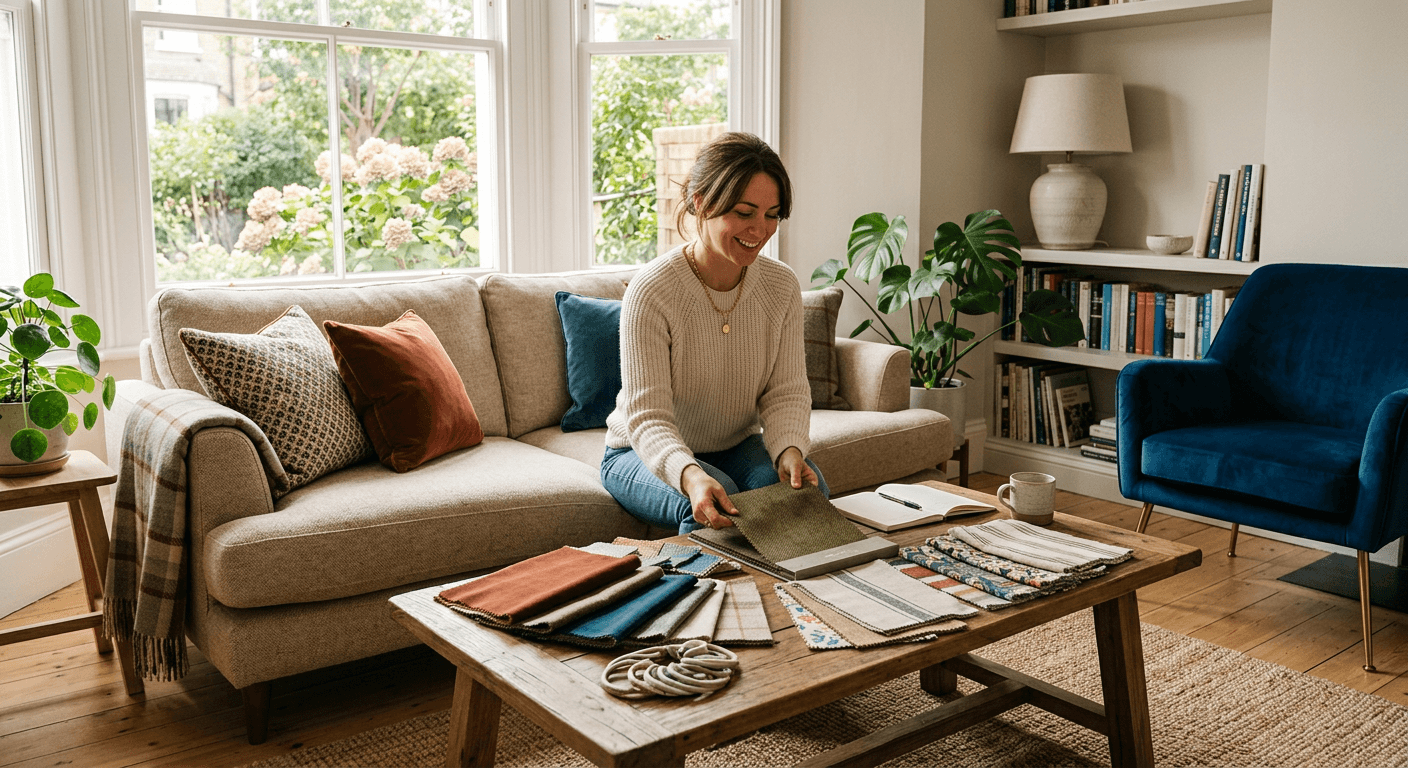
Sample services allow fabric assessment before commitment. Most suppliers charge £3-£10 per sample, refundable against orders. Always review samples in your actual room lighting before ordering—colours appear dramatically different under natural versus artificial light.
According to businesses listed on HouseJester, typical project timelines run 4-8 weeks from order to installation for made to measure curtains, longer during peak autumn/winter seasons.
Sources & Further Reading
- Energy Saving Trust: Energy Efficient Windows and Curtains
- Which?: How to Buy Curtains and Blinds
- British Blind and Shutter Association: Consumer Guides
Browse Soft Furnishings businesses on HouseJester to find verified specialists in your area offering upholstery fabrics, made to measure curtains, and professional installation services across the UK.
This article was created with AI assistance and reviewed by the HouseJester editorial team for accuracy and relevance.
Written by
Sarah Mitchell
Interior Design Editor
Sarah has spent over 12 years covering UK interiors and design trends. She works closely with interior designers and soft furnishings specialists across the country to bring readers expert insights on creating beautiful, functional living spaces.
- Interior Design
- Soft Furnishings
- Paint & Wallpaper
- Lighting