
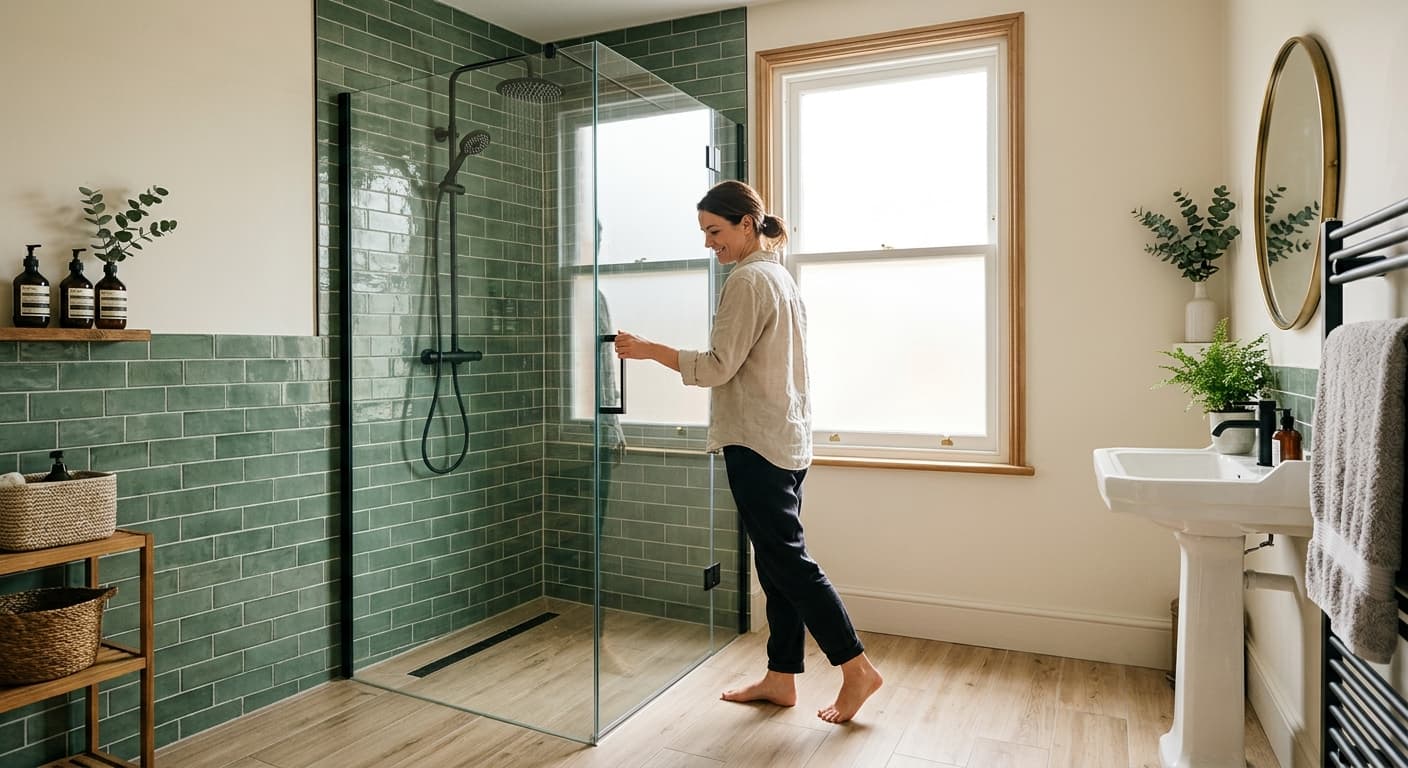
Transforming your tired bathroom with a walk-in shower installation has become one of the most popular home improvements across the UK. These sleek, accessible showers eliminate the hassle of stepping over a high bath edge whilst creating a spa-like aesthetic that appeals to buyers and adds genuine value to your property.
Based on the bathrooms specialists in our directory, we've seen demand for walk-in showers surge by over 40% in the past two years. This isn't surprising when you consider their practical benefits and the modern, open feel they bring to even the smallest spaces.
Key Takeaways
- Walk-in shower installations typically cost £2,500–£6,000 for a standard bathroom, with London prices 15-25% higher
- Most bathroom renovations take 7-14 days depending on complexity and whether you're converting from a bath
- Wet rooms require specialist tanking and drainage (budget £4,000–£9,000), whilst walk-in showers are simpler and more affordable
- Building Regulations Part G and Part M may apply, particularly for drainage and accessibility features
- Small bathrooms benefit enormously from walk-in designs paired with large-format tiles and frameless glass screens
How Much Does a Bathroom Renovation Cost in the UK?
Let's address the elephant in the room: how much does a new bathroom cost UK homeowners in 2024? The answer varies enormously depending on your specifications, but we can provide realistic brackets.
A basic bathroom refresh with mid-range fixtures typically runs £3,500–£6,000. This includes a standard shower enclosure, toilet, basin, tiling, and labour. For a full renovation with quality fittings and a walk-in shower installation, expect £6,000–£12,000. Premium installations with underfloor heating, high-end tiles, and luxury sanitaryware can easily exceed £15,000–£25,000.
According to the Federation of Master Builders, bathroom labour costs average £150–£300 per day outside London, rising to £200–£400 in the capital. Most bathroom fitters work in pairs, which effectively doubles your daily labour rate but halves the installation time.
Regional pricing differences matter. Our directory data shows that bathroom specialists in London charge approximately 20-30% more than those in Manchester or Birmingham. However, London businesses often have access to trade showrooms and specialist suppliers that may not be available elsewhere.
Breaking Down Walk-In Shower Costs
A standalone walk-in shower installation typically costs:
- Budget option: £2,500–£3,500 (basic tray, simple screen, standard mixer valve, ceramic tiles)
- Mid-range: £3,500–£6,000 (low-profile tray or wet-room style tray, frameless glass, thermostatic valve, porcelain tiles)
- Premium: £6,000–£10,000+ (bespoke wet room, designer tiles, digital shower system, underfloor heating)
These figures include materials, labour, plumbing adjustments, tiling, and finishing. They don't include structural work if you're removing a bath, which might add £500–£1,500 depending on complexity.
Small Bathroom Design Ideas with Shower
Compact bathrooms present unique challenges, but small bathroom design ideas with shower installations can actually make these spaces feel larger. We've worked with dozens of bathroom fitters who've transformed poky family bathrooms into airy retreats.
Frameless glass screens are non-negotiable for small spaces. They create visual continuity rather than chopping the room into segments. A 10mm toughened glass panel costs £250–£600 depending on size, but the spatial dividends justify every penny.
Positioning matters enormously. Corner walk-in showers maximise floor space whilst keeping plumbing runs manageable. If you're lucky enough to have a window, position the shower opposite it to draw the eye through the space.
Recessed shelving within the shower area provides storage without protruding into your limited square meterage. Most builders can create these during the installation phase for £150–£300 additional labour.
Consider these space-saving strategies:
- Wall-hung toilets and basins create floor space and simplify cleaning
- Sliding doors instead of hinged ones (crucial for tight layouts)
- Large mirrors to visually double your space
- Consistent flooring throughout rather than separate shower trays
- Vertical storage solutions and tall cabinets
Wet Room vs Walk-In Shower: Pros and Cons
This decision stumps many homeowners, so let's examine wet room vs walk-in shower pros cons properly.
Wet rooms are fully tanked, waterproofed spaces with drainage typically set into the floor. Water flows freely across the entire floor area towards a linear drain or central waste. They're stunning when done well but require specialist installation.
Walk-in showers are partially enclosed spaces with defined shower zones, usually incorporating a low-profile tray or former with a small step down. They're simpler to install and more forgiving if things go slightly wrong.
Wet Room Advantages:
- Ultimate accessibility (perfect for mobility issues)
- Seamless, luxurious aesthetic
- Easier to clean with no enclosures or trays
- Ideal for awkward spaces
Wet Room Disadvantages:
- Significantly more expensive (£4,000–£9,000 minimum)
- Requires structural floor strength assessment
- Must comply with Building Regulations Part G (drainage) and Part C (moisture resistance)
- Needs perfect tanking—one mistake causes catastrophic leaks
- The entire room gets damp during showering
- Higher heating costs due to larger space requiring warmth
Walk-In Shower Advantages:
- More affordable (£2,500–£6,000 typically)
- Faster installation (usually 2-4 days)
- Contains water and steam more effectively
- Standard plumbers can handle them confidently
- Easier to retrofit in existing bathrooms
Walk-In Shower Disadvantages:
- Slight step may pose accessibility issues
- Requires more space than traditional enclosures
- Screen requires regular cleaning
For most UK homeowners, walk-in showers offer the sweet spot between aesthetics, practicality, and budget. You can always browse our bathroom specialists to discuss which option suits your specific situation.
Do I Need a Wet Room Specialist?
Absolutely yes if you're installing a true wet room. Standard bathroom fitters often lack the tanking expertise required for waterproofing that must last decades without failure.
Wet room tanking involves applying multiple waterproof membranes to walls and floors before tiling. According to Building Regulations Approved Document C, these installations must prevent moisture penetration to structural elements. A specialist understands:
- Correct fall gradients (typically 1:80 to 1:60 towards drains)
- Tanking membrane application and testing
- Linear drain installation and connection
- Floor strength requirements for different construction types
- Ventilation requirements to prevent condensation
For standard walk-in showers with trays, experienced bathroom fitters are perfectly adequate. However, always verify they're registered with a trade body such as the Federation of Master Builders or have verifiable references.
Best Bathroom Tiles for Small Spaces
Choosing the best bathroom tiles for small spaces significantly impacts how spacious your bathroom feels. Conventional wisdom suggests small tiles for small rooms, but we'd argue precisely the opposite.
Large-format tiles (600x600mm or larger) reduce grout lines, creating visual continuity that makes rooms feel bigger. Porcelain tiles in light, neutral tones reflect maximum light whilst remaining practical. Expect to pay £25–£60 per square metre for quality porcelain from suppliers like Topps Tiles or CTD Tiles.
Rectified tiles have precision-cut edges allowing minimal grout lines (1-2mm), which creates a near-seamless appearance. They cost slightly more but deliver superior aesthetics.
Matt finishes are safer underfoot when wet compared to polished tiles, which can become skating rinks. The slight texture provides grip without compromising the clean, modern look.
For shower walls specifically, consider:
- Large-format porcelain slabs (fewer joints mean less maintenance)
- Continuous patterns rather than busy designs
- Matching floor-to-ceiling tiles for height emphasis
- Contrast strips or niches for visual interest without overwhelming
Avoid tiny mosaics in small spaces unless used sparingly as feature strips. They create visual clutter and involve hundreds of grout lines requiring maintenance.
How Long Does It Take to Fit a New Bathroom?
Timescales for bathroom renovations depend on scope, but typical installations follow predictable patterns.
A simple like-for-like replacement (same layout, standard fittings) takes 5-7 days with an experienced team. A full renovation including layout changes requires 10-14 days. Wet room installations need 12-18 days due to tanking cure times and waterproofing testing.
Breakdown of a typical walk-in shower installation:
- Day 1: Strip out existing bathroom, assess any issues
- Days 2-3: First fix plumbing and electrical, install shower tray/former
- Days 4-6: Tiling walls and floors (including drying time)
- Day 7: Install sanitaryware, shower screen, finishing touches
- Day 8: Final testing, grouting touch-ups, handover
Building Regulations inspections may add 1-2 days if you're making structural changes or installing new drainage. Always factor in a 2-3 day buffer for unforeseen complications—we've yet to encounter a bathroom renovation that didn't reveal at least one surprise behind the walls.
Underfloor Heating: Worth the Investment?
The underfloor heating bathroom cost UK homeowners face typically ranges from £500–£1,500 depending on room size and system type. For spaces typically 5-8 square metres, expect around £75–£120 per square metre installed.
Electric mat systems are simplest for retrofits. Installers lay thin heating mats directly onto your subfloor before tiling over them. They heat up quickly (30-60 minutes) and work brilliantly with ceramic or stone tiles that conduct heat efficiently.
Water-based systems integrate into your central heating but require more invasive installation, including raising floor levels by 50-100mm. They're more economical to run but only sensible during major renovations or new builds.
According to the Energy Saving Trust, bathroom underfloor heating costs approximately 10-15p per hour to run with electric systems. Most people run theirs for 1-2 hours morning and evening, adding roughly £15-25 monthly to bills during colder months.
The luxury of warm tiles underfoot on winter mornings justifies the investment for many homeowners. It also eliminates bulky radiators, freeing up valuable wall space in small bathrooms. If you're already retiling for your walk-in shower installation, adding underfloor heating increases costs by only 15-20% whilst significantly boosting comfort and property appeal.
Choosing Your Bathroom Specialist
Finding reliable tradespeople remains one of the biggest challenges facing UK homeowners. We recommend obtaining at least three detailed quotes that break down materials and labour separately.
Verify that potential fitters:
- Have public liability insurance (minimum £2 million)
- Provide verifiable references from recent projects
- Understand Building Regulations requirements
- Offer guarantees on workmanship (typically 12 months minimum)
- Communicate clearly about timescales and potential issues
You can browse our company directory to find vetted bathroom specialists in your area, or list your business if you're a bathroom fitter looking to connect with homeowners.
According to Which?, 67% of bathroom project complaints relate to poor communication rather than workmanship quality. Choose someone who responds promptly, provides written quotations, and explains the process clearly.
For complex projects involving structural changes, you might need separate specialists for different phases. A general builder handles structural work, plumbers tackle pipework, electricians handle lighting and heating controls, and tilers finish surfaces. Experienced bathroom fitters coordinate these trades, but expect to pay 10-15% for project management.
Making Your Decision
Walk-in shower installations represent one of the smartest bathroom investments UK homeowners can make. They combine practical benefits with genuine aesthetic appeal whilst remaining accessible to most budgets.
Start by clarifying your priorities: accessibility, luxury, space optimisation, or resale value. Your answer determines whether a wet room or walk-in shower suits you better. For most situations outside specialist accessibility needs, walk-in showers offer superior value.
Budget realistically, allowing contingency for unexpected issues that almost inevitably arise during bathroom work. Set aside 15-20% beyond your quoted price for peace of mind.
Timing matters too. Bathroom specialists experience seasonal fluctuations, with autumn and winter typically quieter. You might negotiate better rates and secure faster scheduling during these periods.
Ready to transform your bathroom? Browse our directory of bathroom specialists to find experienced installers serving your area. With 661 verified businesses across our platform, you'll find the perfect match for your project and budget.
Sources & Further Reading
This article was created with AI assistance and reviewed by the HouseJester editorial team for accuracy and relevance.
